Category: Uncategorized

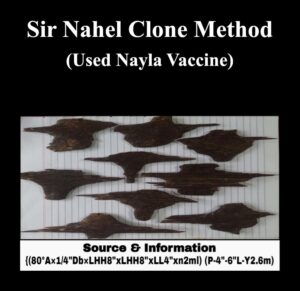
  • Sir Nahel Clone Method (Used Nayla Vaccine)

    A. Oud production

    B. More information

    C. External observation, testing and analysis

    D. Impact and Remedies of Excess Water in Processing Holes

    E. New Nayla pre-mix version

    A. Oud production

    Sir Nahel Clone Method for Agar oud Production

    Agar oud production from agar trees requires the proper application of fertilizers and other components, following the right methods and rules. Urea, TSP, and MOP fertilizers are applied at any time of the year after assessing the tree’s condition, location, and size.

    Sir Nahel Clone Method Procedure

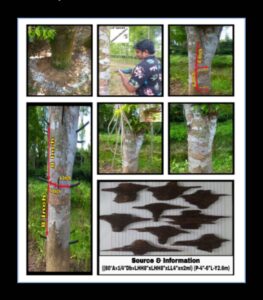
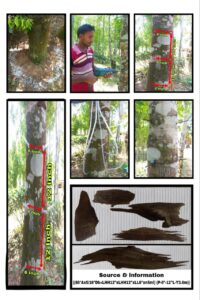
    The “Sir Nahel Clone Method” is applied to both large and small trees. For large trees, a hole is drilled at a 90-degree angle using a ¼” bit with the help of a drilling machine. The length of the holes may vary depending on the tree’s diameter. When creating the first line of holes, the distance between each hole is maintained at 8 inches, and the distance between each line is 4 inches (Holes from one line should not connect with the holes from the other line, as this can reduce the quality of the Agar oud).

    Tree Processing

    Using a drilling machine, holes are made in the tree according to the specific rules, and a 1-inch-long hard pipe is fitted into each hole (Using aluminum pipes instead of hard plastic pipes results in better performance). Half of the pipe remains inside the hole, and the other half outside. After that, a vaccine level pipe is fitted into each hole, and 2 ml of vaccine is applied.

    After 3-4 days, if the tree absorbs the vaccine, the vaccine level pipe is removed and a water level pipe is fitted. Then, 25 ml of water (water is used in winter) is supplied into the hole. Within 7-10 days,

    When the tree absorbs the water, the water level pipe is removed, and a control (the control stick must be soaked in the vaccine ten days prior to use) stick is inserted into the hard pipe. The control stick is generally twice the length of the hole and is inserted at a 4:3 (diameter) ratio into the hole.

    Role of the Control Stick

    The control stick heats up under the sun’s heat and reacts with the internal materials of the hole. Due to the reaction between the vaccine, wood, and control stick, oil accumulates around the hole, which produces Agar oud. For smaller parts of the tree or branches, the distance between the first hole of the first line and the first hole of the second line should be two to two and a half inches above. After that, other holes are made following the same rules.

    Pattern

    Zig-Zag pattern:

    In this pattern, holes are drilled in a staggered pattern, creating a zig-zag design from one line to the next. This pattern allows the inoculation to spread evenly across the tree. The Zig-Zag pattern is typically used for small trees or tree trunks. When the tree or trunk is small, holes may overlap if placed too closely. By following the zig-zag pattern, the production rate can be optimized and yield higher-quality results.

    In areas with sufficient resin content:

    The distance between holes in a line is kept at 6–8 inches, and the distance between lines is 3–4 inches (when using a 1/4-inch drill bit).

    In areas with insufficient resin content:

    The hole-to-hole distance in a line is increased to 9–10 inches, while the line-to-line distance remains 3–4 inches (with a 1/4-inch drill bit).

    Modified Deep pattern:

    In this pattern, holes are drilled slightly deeper in a square-shaped pattern. The Modified Deep Inoculation pattern is applied to larger parts of the tree.

    In areas with sufficient resin content:

    A greater number of holes can be created, with the hole-to-hole distance in a line reduced to 6 inches and the line-to-line distance to 4 inches (with a 1/4-inch drill bit).

    In areas with insufficient resin content:

    Fewer holes are made, maintaining a hole-to-hole distance of 8 inches and a line-to-line distance of 5 inches (with a 1/4-inch drill bit).

    According to the Agar oud Society, the application of each pattern is based on proven experience and the physical condition of the tree. During inoculation, factors such as tree height, diameter, environmental stress, and previously used methods are also considered. The primary goal is to ensure the highest quality Agar oud production without causing harm to the tree.

    Ensuring Quality Production

    Using control sticks ensures that the Agar oud achieves the desired design, weight, and fragrance. Once the processing is complete, pesticide-mixed water is sprayed around the base of the tree using a spray machine to protect it from termite attacks. The tree base should be kept weed-free, and necessary water should be supplied during the dry season.

    Production and Yield

    With this method, using 1 liter of Nyala connect vaccine, it is possible to produce 3 kg or more of Agar oud after two and a half years. Although the Agar oud becomes suitable for sale 18 months after processing, it is recommended to wait for two and a half years for higher profits.

    Types and Use of Sticks

    Aluminum sticks are used as control sticks in processed holes. Research has shown that iron sticks can also be used without any issues. The demand for this Agar oud is higher compared to other types of Agar oud.

    By following all the above-mentioned processing procedures and regulations, it is possible to produce the highest quality Agar oud.


    B. More information

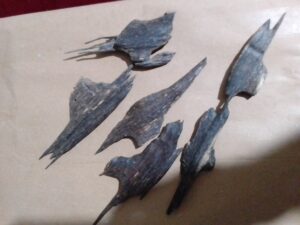
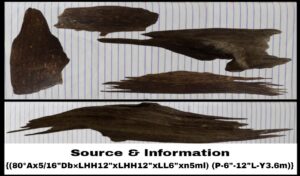
    The agar oud sizes shown below were calculated using different doses of vaccine and water, which are referenced in the formula in the Sources and Information section. The “Sir Nahel clone method” refers to a specific or specialized cloning method, though more detailed information would be needed for a precise explanation.

    However, in general, the benefits of cloning methods are discussed below:

    1. Quick Duplication of Objects: Cloning methods allow for the rapid creation of an identical copy of an object. This is particularly useful when a large or complex object needs to be duplicated, as creating a new one from scratch would take a lot of time.

    2. Memory Efficiency: Cloning an object is often more memory-efficient than creating a new one. The cloned object works by directly copying from memory, thus improving memory efficiency.

    3. Copying Complex Objects: Cloning methods can also copy complex objects or their internal structures. Deep cloning enables the entire object structure to be duplicated, which is highly useful and cost-effective in complex scenarios.

    4. Preserving Configuration or State: Cloning methods are effective in preserving the current state of an object. When a new copy is created by cloning, the configuration or state of the original object remains unchanged, allowing for new operations while retaining the old state.

    5. Code Reusability: Cloning methods offer the benefit of code reusability. An object created once can be cloned multiple times, making the development process easier and faster. Using cloning methods in programming offers advantages in terms of efficiency, memory savings, and the ability to use new copies without recreating objects.

    In the production of Agar oud, the “Sir Nahel clone method” is an effective approach. It facilitates the rapid and efficient production of high-quality Agar oud. The process generally involves the following steps:

    1. Selecting the Right Trees: First, trees that produce high-quality Agar oud must be selected. Healthy and growing plants should be chosen.

    2. Preparation for Cloning: The healthy and strong branches or shoots from the selected trees need to undergo the necessary processes according to specific guidelines.

    3. Application of the Inoculation Process: Each step of the inoculation process must be followed according to set guidelines.

    4. Harvesting: Once the cloned trees have reached full growth and are ready for Agar oud production, the harvesting process begins.

    5. Preparation and Processing: The harvested Agar oud is processed to ensure its quality.

    Based on the above discussion, successful Agar oud production can be achieved through the “Sir Nahel clone method.”


    C. External observation, testing, and analysis

    1. Initial Stage Observation

    a. Oud Structure and Structural Changes

    To determine the extent of Agar oud formation above and below the infected or processed cavity in the Aquilaria spp. Tree:

    The infected cavity, along with the areas above and below it, is observed with the naked eye. Compared to normal wood, the infected area appears harder, rougher, and slightly swollen.

    b. Changes in Leaf Color and Structure

    During the mature Agar oud formation process, noticeable changes occur in the leaves and branches: Healthy Agar oud tree leaves are generally dark green and glossy, but due to infection and Agar oud formation, some parts of the leaves may turn pale green or light yellow. Sometimes, the veins of the leaves become darker and begin to dry out.

    If most of the leaves become discolored, droopy, or start falling off, it indicates that the inner wood is maturing with Agar oud formation.

    In the final stages of processing, when the tree has fully developed Agar oud, the leaves become smaller and the tree loses more leaves than before.

    c. Changes in Branches and Bark

    Branch Strength and Color Changes

    Agar oud formation can cause the branches to become somewhat dry and weak.

    Some branches may turn dark brown or blackish in color.

    In some cases, parts of the branches become brittle and break easily.

    Signs of Bark Cracking

    In areas where Agar oud has developed, the bark often cracks.

    The presence of cracks around infected areas suggests a good quality Agar oud formation due to the reaction between natural and artificial inoculation.

    When the inner Agar oud matures, a distinct fragrance can sometimes be detected in humid air.

    2. Testing Through Touch

    a. Checking the Structure of Agar oud

    By touching the upper and lower parts of the cavity with fingers or hands, one can assess how far the infection has spread.

    The infected area feels harder, rougher, and slightly swollen compared to normal wood.

    This helps in estimating the potential Agar oud production structure in the future.

    b. Testing the Sound of Wood

    By gently tapping different parts of the tree with a hammer or hand, Areas without Agar oud produce a normal wood-like sound.

    Areas where Agar oud has formed give a hollow or deep sound, indicating a change in wood density.

    c. Testing with a Needle or Metal Blade

    If a needle or thin metal rod is inserted into the processed oud and removed, a distinct aroma can be detected.

    3. Analysis Through Sample Collection

    Small samples are collected from the area near the tree cavity for deeper analysis.

    The extent of resin layer penetration in the processed cavity area is thoroughly examined.

    When the upper part of the tree and leaves show these signs clearly, it indicates a sufficient formation of Agar oud inside the tree.

    Finally, the tree is cut, and the internal Agar oud is examined for confirmation before selling or further processing.


    D. Impact and Remedies of Excess Water in Processing Holes

    If water is supplied or accumulates beyond the prescribed regulations in the processing holes of Agar oud trees, it can have a negative impact on the production of Oud (Agar oud oil). The reasons are

    1. Fungal Infection and Decay: Excess water beyond the prescribed rules can create a favorable environment for the growth of fungi and bacteria in the tree tissue, which can cause the wood to decay beyond the expected level.

    2. Obstruction in Oud Formation: Oud production occurs as part of the Agar oud tree’s defense mechanism. If water accumulates in the holes, it can obstruct the oxygen supply to the wood, thereby hindering the natural process of Oud formation.

    3. Reduction in Quality: If water is supplied beyond the prescribed limits, whether naturally or artificially, it can reduce the quality of the Oud, leading to the production of lower-grade Agar oud/oil.

    Oud Decay and Structural Weakness: Excess water supply can cause excessive decay in the wood, making it unsuitable for Oud production.

    Remedies

    After completing the processing activities, arrangements should be made to prevent water accumulation or flow within and around the processing holes.

    Proper drainage systems should be maintained around the processing holes.

    To control excessive moisture, the use of control sticks in the processed holes should follow specific guidelines.

    By adhering to these measures, high-quality Oud production from Agar oud trees can be ensured.


    E. New Nayla Pre-Mix Version

    (Top results)

    Fertilizers such as Urea, TSP, and MOP are applied following specific guidelines. This application process is carried out after assessing the position, size of the tree, and the condition of nearby trees.

    The New Naila Pre-Mix Version is suitable for both small and large trees. For applying this method, a drill machine with a 7/32 inch bit is used to make holes at a 90-degree angle. The holes are arranged, maintaining a fixed spacing—5 inches between each hole on the same line and 3 inches between holes of adjacent lines. The entire tree is drilled following this uniform rule.

    In the case of small trees, care must be taken to ensure that one hole does not connect with another (the zigzag method is followed for hole placement). On the other hand, for large trees, the “Deep Inclination Method” is used, which is more effective based on the tree’s structure.

    Each hole is filled with 1.15-1.20 ml of vaccine according to specific guidelines. Within 24 hours of application, the tree absorbs the vaccine. Then, a control stick, equal in diameter to the hole, is inserted into each hole. Though the stick is twice as long as the hole, it is inserted in such a way that half remains inside while the other half stays outside the hole (the control stick must be soaked in the vaccine ten days prior to use).

    With the New Naila Pre-Mix Version, after two and a half years, it is possible to produce 5 kg or more of oud per liter of vaccine used.


  • Sir Samee Clone Method (Used Nayla Vaccine)

    A. Oud production

    B. Nano-technology

    I. Nano-technology and nano-particle vaccines

    II. Rules of nano-technology in Agar oud production

    III. Countries using nano-technology in Agar oud production

    A. Oud production 

    Sir Samee Clone Method for Agar oud Production

    Agar oud production from agar trees requires the proper application of fertilizers and other components, following the right methods and rules. Urea, TSP, and MOP fertilizers are applied at any time of the year after assessing the tree’s condition, location, and size.

    Sir Samee Clone Method Procedure

    This method is mainly used on large agar trees. Using a 5/16” bit, holes are drilled at a 90-degree angle with a drilling machine. The length of the holes may vary depending on the tree’s diameter. When creating the first line of holes, the distance between each hole is maintained at 12 inches, and the distance between each line is 5-6 inches (Holes from one line should not connect with the holes from the other line, as this can reduce the quality of the Agar oud).

    Tree Processing

    After drilling the holes following the specific guidelines, a 1-inch hard pipe is inserted into each hole (Using aluminum pipes instead of hard plastic pipes results in better performance), with half an inch remaining inside and half an inch outside. Next, a vaccine level pipe is placed into each hole, and 5 ml of vaccine is applied through the pipe. This process begins the production of Agar oud inside the tree using microbial culture.

    After 5-6 days, once the tree absorbs the vaccine, the vaccine level pipe is removed and a water level pipe is fitted. Then, 50 ml of water (water is used in winter) is supplied into each hole. Once the tree absorbs the water within 12-15 days, then the water level pipe is removed, and a control stick (the control stick must be soaked in the vaccine ten days prior to use). It is inserted through the hard pipe at a 4:3 ratio. The control stick is typically twice the length of the hole and reacts with the vaccine, wood, and other materials inside the hole to facilitate Agar oud production.

    Ensuring Quality Production

    The use of control sticks ensures that the Agar oud achieves the desired design, weight, and fragrance. After the processing is completed, pesticide spray is applied to protect the tree from termite attacks. The base of the tree is kept free from weeds, and water is supplied during the dry season.

    Production and Yield

    Using the Sir Samee Clone Method, 1 liter of vaccine can yield 2 kg or more of high-quality Agar oud within two and a half years.


    B. Nano-technology

    Nano-technology can be described in one word as a process where multiple steps are combined to complete a task.

    Naturally, Agar oud production takes many years and faces various diseases and environmental challenges. By using nano-technology and nano-particle vaccines, the speed of Agar oud production can be increased, infections can be controlled, and the resin production process can be improved.

    The use of nano-technology in Agar oud production can bring a revolutionary change. By using nano-particle vaccines, agarwood resin production can be accelerated, its quality can be improved, and the tree’s disease resistance can be enhanced. Although experimental observations have been completed in Bangladesh, countries like Malaysia, India, China, Thailand, and others are conducting further research on this technology. In the future, the integration of nano-biotechnology and nano-smart sensor technology may revolutionize the Agar oud industry.

    Quality can be improved, and the tree’s disease resistance can be enhanced. Although experimental observations have been completed in Bangladesh, countries like Malaysia, India, China, Thailand, and others are conducting further research on this technology. In the future, the integration of nano-biotechnology and nano-smart sensor technology may revolutionize the Agar oud industry.

    I. Nano-technology and Nano-particle Vaccines

    Nanotechnology is a modern science where particles ranging from 1-100 nanometers (NM) are used to alter the chemical, physical, and biological properties of materials.

    Nano-particle vaccines are developed to enhance the protection and growth of plants by using nano-sized particles in a targeted manner. These vaccines are primarily composed of organic nanomaterials, metal oxides, nano-silver, and polymer nanoparticles. Since 2008, nano-biotechnology has been commercially used in agriculture. After 2010, the large-scale commercial use of nano-fertilizers, nano-pesticides, nano-sensors, and micro-nano encapsulation technology began in agriculture. Currently, nano-technology is being used to develop GMO crops and disease-resistant plants.

    Origin and Development

    The concept of nanotechnology was first proposed by American physicist Richard Feynman. In 1959, he delivered a lecture titled “There’s Plenty of Room at the Bottom” at the California Institute of Technology (Caltech), where he stated:

    “If we can manipulate atoms and molecules to build materials, a revolutionary technology will emerge.”

    The Term “Nano-technology”

    In 1974, Japanese scientist Norio Taniguchi first used the term “Nano-technology”. Since then, it has gradually evolved and expanded.

    II. Roles of Nano-technology in Agar oud production

    1. The Role of Nano vaccines in Agarwood Infection and Resin Production Naturally, when Agar oud trees are infected by bacteria and fungi, resin formation occurs, which transforms into fragrant oud.

    By using nano-particle vaccines, controlled infections can be induced, leading to accelerated and increased Agar oud resin production.

    For example, nano-silver and nano-zinc oxide can rapidly initiate bacterial and fungal infections, which improve the quality of Agar oud.

    2. Enhancing the Growth and Productivity of Agar oud Trees

    The use of nano-fertilizers and nano-particle-based growth promoters can enhance the growth and nutrient absorption efficiency of Agar oud trees.

    Nano-copper and nano-zinc accelerate plant growth, facilitating faster production.

    3. Improving Agar Oud Resin Quality with Nanotechnology

    The fragrance of Agar oud depends on it chemical composition.

    By using nano-biocatalysts, the internal chemical structure of Agar oud can be modified to enrich its fragrance.

    Nano-enzyme technology can further enhance the fragrance production process of Agar oud.

    ওIII . Countries Using nano-technology in Agar oud production

    Several countries are using nano-technology to enhance Agar oud production and improve its quality. Some notable countries include:

    1. Malaysia

    Malaysia has integrated biotechnology and nano-technology into Agar oud production.

    Research is being conducted on the “Nano-based induction method” to accelerate resin formation inside trees.

    2. Thailand

    Thai scientists are working on nano-sensors and smart inoculation (Nano-inoculation) technology to improve Agar oud quality.

    3. India

    In India’s northeastern states (Assam, Meghalaya, Tripura), research is being conducted on using nanoparticles to accelerate Agar oud growth and enhance high-quality resin production.

    4. China

    China is improving the agarwood infection process using nano-biotechnology.

    Automated monitoring and maintenance of Agar oud plantations are being conducted using nano-sensors and drone technology.

    5. Bangladesh

    Agar oud is cultivated in Sylhet, Mymensingh, and Chittagong.

    Extensive research has been conducted on nano-based disease resistance, organic fertilizer technology, and vaccine development, which is now gaining global attention.

    Nanotechnology is an advanced technology where complex tasks are performed through ultra-small particles (nanoparticles) in multiple steps. This enhances material properties, chemical structures, and efficiency, making it useful in various industries, including medicine, agriculture, and environmental conservation. This modern scientific innovation, through small incremental steps, has the potential to bring transformational changes and unlock new opportunities for the future.


  • Steps of Worker

    A. Skilled worker

    B. Important qualities

    C. Workers organisation

    D. Main tasks

    E. Advantage and disadvantage


    A. Skilled worker

    Creating skilled workers for production is a crucial task, especially if it’s a new business. The success of the business depends on proper management and production efficiency, especially in Agar oud cultivation. To develop a large number of skilled workers, the following steps can be followed:

    1. Implementing an Initial Training Program: In a new Agar oud production business, initial training plays a vital role in making workers efficient. Example:

    Basic Training: Workers need to be given basic knowledge about Agar oud cultivation, planting, maintenance, and each step of the production process. This can be done through classroom-based training.

    Practical Training: It’s not just theory that matters; practical work is also essential. Workers should be given the opportunity to work in the field under trained experts to gain real-world experience.

    2. Providing Technology-Based Skills:

    The use of modern technology is a major part of Agar oud production. Workers need to be trained in innovative methods such as cloning, creating artificial environments, and using automated systems. Example:

    Training on Machine Usage: Workers should be trained in the use of modern machines and equipment. For example, using devices or drones to diagnose diseases in Agar oud trees.

    Digital Documentation: Recording every step of the process and storing information digitally can enhance efficiency. Workers should learn to use such software.

    3. Specialized Training on Specific Subjects:

    Providing specialized training on different aspects of Agar oud production is essential for building a skilled workforce.

    4. Establishment of Training Institutes:

    Specialized training institutes can be established for Agar oud production. These institutes can conduct various courses with both local and international experts. For example:

    On-the-job Training Center: Practical labs and demonstration plots can be created to provide field-level training for workers.

    Online Training: Virtual training programs should be organized to enable workers from remote areas to participate easily.

    5. Long-term Training and Career Development Plan:

    In addition to enhancing workers’ skills, a career development plan for their long-term growth is essential. Example:

    Advanced Training: Those who have completed basic training should be offered advanced training. This approach will help in developing skilled workers.

    Career Growth: Providing opportunities for career advancement can motivate workers. For example, opportunities to be promoted to positions like supervisor, manager, or head of research can be made available.

    6. Local and International Partnerships:

    Agar oud production can be competitive in the international market. Therefore, international-standard training is essential to develop skilled workers. Example:

    Enhancing Local Expertise: Training programs can be conducted in collaboration with local farmers to improve their skills in Agar oud production as well.

    International-level Training: To align with the demands of the global market, training programs can be conducted with the assistance of international trainers and researchers.

    7. Motivation and Psychological Development:

    To create skilled workers, not only technical expertise but also mental and social skills are necessary. Example:

    Incentives: A competitive spirit can be fostered among workers during training, with rewards for excellent performance.

    Teamwork: Training should focus on developing teamwork skills to improve cooperation and collective progress among workers.

    8. Establishment of Research and Development (R&D) Department:

    A Research and Development (R&D) department can be established where workers can research new technologies, techniques, and advanced methods for Agar oud production. Working here will enable workers to gain advanced knowledge and adapt to international standards.

    To create skilled workers for Agar oud production, a well-organized and step-by-step training program is essential. Long-term planning, practical experience, technical knowledge, and increasing motivation among workers can lead to mastery of the necessary skills.


    B. Important qualities

    Several important qualities are required to become a skilled worker in Agar oud production. These qualities include:

    1. Technical Expertise: Workers need to have technical knowledge of how to properly care for Agar oud trees and extract high-quality oil and resin from the wood. Tasks like cutting, processing, and measuring must be performed with precision and skill.

    2. Strong Observational Skills: Skilled workers must have the ability to quickly detect diseases and pest infestations in Agar oud trees. Additionally, keen observation of the tree’s age, wood quality, and processing time is crucial.

    3. Ability to Follow Proper Procedures: Extracting oil and other products from Agar oud requires following correct procedures and processes. Therefore, workers need a solid understanding of the production process.

    4. Exceptional Attention to Detail and Patience: The Agar oud production process is long-term and requires a great deal of patience. Workers must remain focused and work diligently over extended periods to achieve optimal results.

    5. Teamwork Skills: Teamwork is critical to success in Agar oud production. Skilled workers must collaborate with other team members to ensure the smooth operation of production activities.

    6. Physical Capability: Agar oud production requires physical labor, so workers need to be in good health to endure long hours of work. Physical strength and stamina are essential for efficiently handling the demanding tasks involved.

    7. Safety Awareness: It is crucial for workers to be aware of safety measures while working. The Agar oud production process involves the use of sharp tools, which must be handled carefully. Workers need to follow proper safety protocols to avoid injuries.

    8. Environmental Awareness: Since Agar oud production is heavily reliant on nature, workers must have knowledge of environmental protection and restoration. Proper maintenance of the trees and care for the environment are necessary to ensure sustainable production.

    Through these qualities, a worker can play a vital role in successful Agar oud production.


    C. Workers organization 

    To form a workers’ organization in Agar oud production, several important steps need to be taken. A well-organized group is essential to ensure the welfare, rights, and smooth operations of workers. The following steps can be followed to achieve this:

    1. Efforts to Raise Awareness and Interest Among Workers: The first step is to raise awareness among workers about the necessity of an organization. They need to understand how an organization can help secure their rights, wages, work environment, and other benefits. Discussion forums, workshops, and meetings can be organized to increase awareness and interest.

    2. Formation of an Initial Committee: To form an organization, an initial committee must first be created with some qualified and active workers. This committee will determine the organization’s policies, structure, and procedures. A transparent process should be used to select the initial committee members.

    3. Formulating Rules and Constitution: It is necessary to create a written set of rules or a constitution to govern the workers’ organization. This document should clearly outline the organization’s goals, objectives, membership requirements, operational procedures, and election processes. These policies should be adopted with the support and participation of the workers.

    4. Registration and Legal Recognition: Registering the organization with the government or relevant authorities is very important to establish it as a legitimate entity. This registration will provide legal recognition to the workers’ organization and help secure various government benefits and rights.

    5. Membership-related Activities: After forming the initial organization, the process of granting membership to other workers should begin. Workers must meet certain criteria to become members, such as paying monthly dues or actively participating. The rules regarding membership should be transparent to ensure unity and coordination among the workers.

    6. Discussions on Wages and Workers’ Rights: One of the main objectives of the organization is to discuss wages, working hours, safety, and other benefits for the workers. A process must be established for negotiating and contracting with employers to protect the rights of the workers.

    7. Regular Meetings and Planning: After the organization is formed, regular meetings should be held to discuss the organization’s progress, issues, and solutions. It is important to gather members’ opinions and develop plans for future activities.

    8. Conflict and Problem Resolution: Establishing a mechanism for conflict and problem resolution is crucial to address any disputes that may arise among members or between workers and management. This will help maintain a harmonious working environment and ensure the effective functioning of the organization. A specific procedure should be established for resolving any conflicts or issues. It is essential to focus on coordination among workers, peaceful discussions with employers, and legal resolutions.

    9. Training and Skill Development Programs: Training programs should be organized to enhance workers’ skills and ensure their professional development. Such initiatives will help improve the quality of work and ensure the long-term success of the organization.

    10. Fundraising and Management: A specific fund must be established for the efficient operation of the organization and future activities. Funds can be raised through member contributions, donations, or other sources. The organization’s funds should be managed transparently and efficiently.

    By following these steps, it is possible to establish a strong workers’ organization that will help safeguard the interests of workers in the Agar oud production sector.


    D. Main tasks 

    The main tasks of a workers’ organization in Agar oud production are related to protecting workers’ rights, ensuring welfare, and improving the working environment. These tasks are vital for the benefits, skills, and long-term success of the workers and the organization. Below are the main tasks of a workers’ organization:

    1. Protecting Workers’ Rights

    Ensuring fair rights for workers is the primary function of the organization. This includes:

    Securing appropriate wages and benefits.

    Establishing fair working hours.

    Ensuring fair compensation for overtime work.

    Taking action against discrimination or exploitation in the workplace.

    Improvement of the Working Environment.

    2. The workers’ organization plays a crucial role in ensuring a safe and healthy working environment for workers. This includes:

    Implementing appropriate measures to ensure worker safety.

    Creating a healthy and safe working environment.

    Providing training and raising awareness regarding the use of hazardous equipment.

    3. Discussions and Agreements with Employers

    Negotiating with employers regarding workers’ wages, working conditions, and other benefits is essential to reach agreements and contracts. Such agreements ensure that workers receive fair and stable working conditions.

    4. Problem Resolution for Workers

    The organization addresses any issues that workers may have, such as dissatisfaction with wages, problems in the working environment, or issues arising from work pressure. This resolution process aims to maintain unity among workers and seek compromises with employers.

    5. Training and Skill Development

    To enhance workers’ skills and ensure professional development, the organization organizes training programs. Such training helps improve the quality of work among workers in the workplace, including:

    Training on processing Agar oud and oil production.

    Training on the safe use of equipment.

    6. Providing Legal Assistance

    When workers face any legal issues, such as violations of labor laws, the organization provides them with legal assistance. The organization helps file lawsuits on behalf of workers and protects their rights under the law through legal representation.

    7. Providing Welfare Benefits

    Various welfare benefits are provided for workers, including:

    Healthcare and insurance benefits.

    Leave and other necessary benefits.

    Financial assistance during disasters or emergencies.

    8. Fund Management and Development Activities

    The organization establishes a fund through contributions and donations from workers, which is used for their welfare and development. This fund provides support to workers in urgent situations.

    9. Maintaining Unity and Coordination Among Workers

    One of the organization’s main tasks is to maintain unity, cooperation, and coordination among workers. When workers are united, it becomes easier to claim their rights and demands.

    10. Social and Cultural Activities

    To boost workers’ morale and strengthen social bonds, the organization organizes various social and cultural activities. This helps enhance brotherhood among workers and increases enthusiasm for work.

    11. Risk Management and Ensuring Safety

    Reducing risks by ensuring safety equipment and training for workers in hazardous jobs like Agar oud production. Such activities increase workers’ focus on safety and job performance.

    These efforts play a crucial role in protecting workers’ interests, enhancing productivity, and creating a fair working environment. Workers’ organizations can play an important role in Agar oud production. They help protect workers’ rights and improve their working conditions.


    E. Advantages and disadvantages

    However, there are some advantages and disadvantages, which are discussed in detail below:

    Advantages of Workers’ Organizations:

    1. Protection of Workers’ Rights: Workers’ organizations play a vital role in ensuring the rights of workers. Through these organizations, workers can discuss their wages, working hours, healthcare, and other benefits.

    Often, employers attempt to infringe upon workers’ rights. In such cases, workers’ organizations can take preventive measures.


    2. Wage Increases: Organized workers can collectively negotiate for higher wages. This is generally not possible for individual workers, as they are often in a weaker position.

    3. Job Safety and Healthcare: The Agar oud industry often poses health risks, such as exposure to chemicals and environmental hazards. Workers’ organizations raise awareness about these risks and can demand the provision of safety equipment and healthcare services.

    4. Protection of Workers’ Interests: Workers’ organizations engage in discussions with employers regarding the interests of workers. In cases of layoffs or promotions, the organization strives to secure the appropriate rights for workers.

    5. Improvement of Working Conditions: Workers’ organizations can play an active role in creating a better working environment. They can negotiate with employers about working hours, sanitation, and a safe working environment.

    Disadvantages of Workers’ Organizations:

    1. Unplanned Movements: Sometimes, workers’ organizations may have political influences. As a result, the decisions made by these organizations may not always be beneficial for workers and could be used for political interests.

    Unorganized or unplanned strikes and movements can halt production, which may lead to financial losses for the company and increase the risk of workers losing their jobs.

    2. Conflict with Employers: If workers’ organizations do not cooperate with employers and always take an adversarial stance, it can hinder the company’s progress. A lack of good relations with employers can adversely affect workers in the long term, such as reduced company productivity and decreased investment.

    3. Decreased Productivity: Sometimes, excessive demands and actions by workers’ organizations can lead to decreased productivity. If workers constantly demand more benefits, it may not be sustainable for the company.

    4. Division and Fragmentation: Divisions may arise within workers’ organizations, leading to factionalism among workers. This can weaken the collective strength of the organization, hindering its ability to protect workers’ rights.

    5. Falling Behind in Market Competition: If organized workers constantly pressure for wage increases and other benefits, the cost of Agar oud production may rise. This could lead to falling behind in market competition, as other countries or companies can produce at lower costs and compete in the global market.

    Workers’ organizations in Agar oud production can be advantageous for workers if managed properly. However, this requires fair leadership, cooperation with employers, and an effective strategy to protect the genuine interests of workers. Otherwise, the disadvantages may be detrimental to production and the long-term future of the workers.

  • Oud Preservation and grading

    A. Oud preservation process

    B. Identification

    A. Oud preservation process

    Tree Cutting Process:

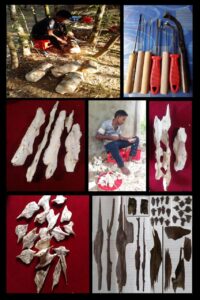
    1. Tree Cutting: When the agarwood resin (agar oud) matures inside the tree, the tree is cut down. After felling the tree, it is kept in a dry place (a warehouse or storage area) for 3 to 6 days. During this period, the moisture and sap inside the tree dry up, making the resin more visible.

    2. Cutting Process: The tree, particularly the resin-containing sections, is identified and carefully cut into pieces using a special knife. Care must be taken to avoid damaging the dark resinous oud while cutting the lighter sections of the tree.

    Handling of Resinous Wood:

    3. Exercise Caution: When cleaning the wood with the carvings, as soon as the dark resinous wood is visible, the cutting process should be stopped. Extreme caution is needed to properly handle and preserve these resinous parts.

    4. Storage in a Shaded Area: The cut pieces are stored in a shaded area for two to three days. This helps maintain the dryness of the resinous wood, making it ready for further processing.

    Final Stage and Preservation:

    5. Final Cleaning: Next, the pieces are further cleaned with a small tool (such as a carvi) to remove any remaining white wood or dust. At this stage, the lighter parts of the wood and debris are carefully cleaned away.

    6. Preservation: Finally, after the outer parts of the Agar oud are cleaned, it is stored for sale. This entire process ensures that the Agar oud is of high quality and suitable for marketing.

    In this way, the process of extracting and preserving Agar oud is completed, ensuring the resin is effectively processed and made ready for the market through proper care and quality control.


    B. Identification

    Laboratory Techniques and Observational Methods

    Several advanced laboratory technologies and observational methods are used to distinguish between natural and artificial Agar oud. These include the following:

    Laboratory Techniques

    1. Gas Chromatography-Mass Spectrometry (GC-MS): 

    GC-MS is employed to identify the chemical components of Agar oud. By analyzing specific chemical compounds in the sample, the distinction between natural and artificial Agar oud can be determined. For instance, natural Agar oud contains high levels of volatile compounds, which can be easily detected through GC-MS. Companies like Shimadzu and Restek Corporation provide GC-MS technology.

    2. Electronic Nose (E-Nose):

    This technology creates a scent profile of Agar oud smoke. It utilizes Principal Component Analysis (PCA) and clustering algorithms to differentiate the scent of natural and artificial Agar oud. Natural Agar oud usually exhibits a more aromatic and complex scent profile. Companies like Alpha MOS (France) are known for E-Nose technology.


    3. Static Headspace Sampling and PCA-PLS Analysis:

    like SHS-GC-MS and PCA-PLS (Partial Least Squares-Discrimination Analysis) are used to separate aroma components of natural and artificial Agar oud. These methods analyze molecular-level chemical compounds and determine qualitative differences.

    Notable Organizations:

    Alpha MOS (France)

    Specializes in electronic nose technology.


    Shimadzu Corporation

    (Japan) A leader in.


    NIST (National Institute of

    Standards and Technology):

    Provides GC-MS

    databases for Agar oud analysis.


    Observational Methods

    1. Visual Observation

    Natural Agar oud:

    The oud structure is irregular with cracks or asymmetric patterns.

    Dark or black coloration due to fungal attack in natural conditions.

    Resin is denser and unevenly distributed inside the wood.

    Artificial Agar oud:

    The oud structure is more uniform with controlled patterns.

    Resin production is artificial, resulting in lower density and uniform coloration.

    Smoother oud texture.

    2. Scent Test

    Natural Agar oud:

    Emits a rich, deep, and complex fragrance when burned. The scent is long-lasting and combines sweetness with intensity.

    Artificial Agar oud:

    The scent is lighter and often monotonous. Less intense and not long-lasting.


    3. Floating Test

    Natural Agar oud:

    High resin content sometimes causes it to sink in water.

    Artificial Agar oud:

    Low resin density usually keeps it floating.

    4. Burn Test

    Natural Agar oud:

    Produces thick smoke with a lasting fragrance. Leaves black, minimal ash.

    Artificial Agar oud:

    Produces less intense smoke and fragrance. Leaves are white or gray ash.

    5. Weight Test

    Natural Agar oud:

    Denser and heavier due to high resin content.

    Artificial Agar oud:

    Lighter and less dense.

    6. Microscopic Analysis

    Natural Agar oud:

    Resin layers are irregular and naturally formed.

    Artificial Agar oud:

    Resin layers are regular, reflecting artificial processing.

    7. Price Difference

    Natural Agar oud is rarer and significantly more expensive. Artificial Agar oud is  Comparatively cheaper.

    By combining these tests and observations, it is possible to effectively distinguish

    between natural and artificial Agar oud. However, for precise results, consulting an expert is recommended.

  • Oil Preservation and Grading

    A. Oil preservation process

    B. Quality and composition

    C. Techniques and Tools

    D. Countries specialising


    A. Oil preservation process

    Agar oud oil is generally extracted through three main methods: These are:

    1. Resinous Oil:

    In this method, the Agar oud tree is cut and processed in a specific manner. The dark resinous wood (agar oud) is collected and cut into small pieces, which are then soaked in a water tank for 25-30 days. After that, the dark wood and water are boiled in a broiler at a ratio of 1:4 at a temperature of 100-110 degrees Celsius for 8-9 days. Once the boiling process is complete, the oil is extracted from the boiler, filtered, and then sun-dried for 15-20 days before it becomes ready for use.

    2. Powder Oil:

    During the collection of Agar oud, the surrounding areas of the Agar oud are cleaned with a knife. Small fragments of dark oud/wood called powder are collected during the cleaning process. This powder is soaked in a water tank for 35-40 days. After that, the powder and water are boiled in a broiler at a ratio of 1:4 at 100-110 degrees Celsius for 10-12 days. Once the boiling process is done, the oil is extracted from the boiler, filtered, and sun-dried for 15-20 days before it becomes ready for use.

    3. White Wood Oil:

    After cutting the tree, the white part of the wood is chopped into small pieces and soaked in a water tank for 20-22 days. Then, the wood and water are boiled in a broiler at a ratio of 4:1 at 100-110 degrees Celsius for 5-6 days. Once the boiling process is complete, the oil is extracted from the boiler, filtered, and sun-dried for 15-20 days before it is ready for use.

    In this way, Agar oud oil is processed through each method and later used in perfumes and other products.


    B. Quality and composition of oud Oil

    The quality of Agar oud oil depends on the ratio of chemical components, purity, and the longevity of its fragrance. However, the specific percentage of natural agar oud oil components may vary depending on the region, tree species, and extraction method. Typically, high-quality Agar oud oil is expected to contain the following components:

    Key Chemical Components of Agar oud Oil:

    1. Sesquiterpenes

    Agarofuran: 20–35%

    Hinokitiol: 10–15%

    2. Phenolic Compounds

    Approximately 5–10%

    3. Terpenes

    Guaiacol: 15–25%

    Isofuranodiene: 10–20%

    4. Aromatic Resin Compounds

    Benzyl Acetate: 5–15%

    Benzyl Benzoate: 10–20%

    5. Volatile Oil

    15–30%

    6. Anti-microbial and Anti-inflammatory Compounds

    Approximately 5–10% (measured through initial analysis).

    Additional Factors for Quality Determination:

    Density

    The oil’s density should typically range from 0.915 to 0.935 g/mL.

    Fragrance Longevity

    High-quality Agar oud oil retains its aroma for 24–48 hours or more after application.

    Color

    The color of agar oud oil generally depends on several factors such as its origin, production method, and storage conditions. However, in general, Agar oud oil may appear in the following colors:

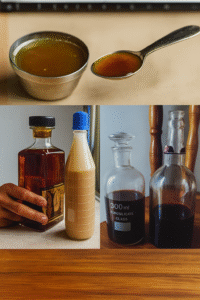
    1. Deep Golden or Amber – Pure and high-quality Agar oud oil is usually of this color.

    2. Dark Brown – Oils from certain specific regions, especially those that have matured over a long period, may turn dark brown.

    3. Light Yellow to Golden Yellow – Less mature oils in liquid form tend to have this color.

    4. Blackish or Dark Black-Brown – Extremely dense and aged Agar oud oil can sometimes appear blackish.

    The color of the oil is primarily determined by its purity, storage process, and the distillation technique used.

    Methods to Ensure Quality:

    International standards (e.g., ISO 9235) and local laboratories analyze chemical compositions and confirm the presence and percentage of the required components to determine quality.

    Brief Overview of Agar Oud Oil Components

    1. Sesquiterpenes:

    Crucial for fragrance and soothing qualities. Examples: Agarofuran, Hinokitiol.

    2. Phenolic Compounds:

    Provide a distinctive aroma and antimicrobial properties.

    3. Terpenes:

    Guaiacol: Contributes to sweet, musky aromas.

    Isofuranodiene: Adds natural therapeutic properties.

    4. Aromatic Resin Compounds:

    Benzyl Acetate: Sweet and intoxicating fragrance.

    Benzyl Benzoate: Widely used in perfumery.

    5. Organic Compounds:

    Natural organic elements in Agar oud oil reduce skin inflammation, enhance mental relaxation, and support immunity.

    6. Volatile Oil:

    Responsible for dispersing the oil’s fragrance.

    7. Polycyclic Compounds:

    Essential for the long-lasting fragrance of Agar oud oil.

    8. Anti-microbial and Anti-inflammatory Compounds:

    Natural components are effective in therapeutic applications.

    These attributes make Agar oud oil highly valuable in perfumery, incense production, and medicinal uses.


    C. Technique and Tools

    The quality of Agar oud oil is determined using advanced scientific instruments and methods, such as:

    1. Gas Chromatography (GC): Used to analyze chemical components like agarol, agar spirol, and terpene compounds.

    2. Mass Spectrometry (MS): Identifies and measures specific components in combination with GC.

    3. Infrared Spectroscopy (IR): Detects chemical bonds and functional groups.

    4. High-Performance Liquid Chromatography (HPLC): Measures precise components.

    5. Density Meter and Viscometer: Measures density and viscosity of the oil.

    6. UV-Vis Spectrophotometry: Examines light absorption properties for quality assessment.

    7. Electronic Nose: Identifies natural fragrance for quality verification.

    Sensory evaluation by experts also plays a crucial role in quality determination.


    D. Countries specializing:

    1. India

    Assam and Kerala are major production areas.

    Research centers like CSIR labs test the Agar oud oil quality.

    Example: Assam Science Technology and Environment Council (ASTEC), Assam.

    2. Singapore

    A significant commercial hub with modern laboratories.

    Example: Intertek Singapore.

    3. Malaysia

    Leads in production and testing.

    Example: Forest Research Institute Malaysia.

    4. United Arab Emirates (UAE)

    Major trade center with advanced laboratories.

    Example: Dubai Central Laboratory (DCL).

    5. Japan

    Renowned for fragrance and chemical analysis.

    Example: Japan Aromatic Research Center, Tokyo.

    6. South Korea

    Specializes in cosmetics and medicinal-grade oil testing.

    7. China

    Major market with advanced testing facilities.

    Example: Shanghai Research Institute of Fragrance & Flavors.

    8. United States

    FDA and private labs ensure oil purity and quality.

    Example: Eurofins Scientific, California.

    9. France

    The Grasse region specializes in perfumery-grade testing.

    Exemple: Laboratoire Monique Remy, Grasse.

    10. Indonesia

    One of the largest producers with quality testing labs.

    Example: PT. Perhutani, Jakarta.

    11. Bangladesh

    A significant producer and exporter.

    Example:

    Bangladesh Forest Research Institute.

    Other Countries Thailand, Vietnam, Brunei, Germany, and Switzerland, also have laboratories for testing and research.

    Specialized laboratories in these countries use advanced tools and international standards (ISO, ASTM) to ensure the quality, purity, and consistency of Agar oud oil.

  • Oud and Oil

    A. Natural and cultivated oud

    B. Natural oud and oil

    C. The purity and the reality of adulteration

    D. Identify pure oud oil

    E. Valuable material

    F. Smaller pieces (best oud)


    A. Natural and cultivated oud

    There are several significant differences between natural Agar oud and cultivated (agriculture-based) Agar oud, which are determined by production methods, quality, price, and market demand. Below is a comparative analysis of these two types of Agar oud:

    1. Production Methods:

    Natural Agar oud:

    Origin: Natural Agar oud is typically formed through the natural infection and environmental responses of the tree. When the tree is affected by disease or insects, it produces a protective substance that gradually turns into Agar oud.

    Time-Consuming: The natural formation of Agar oud can take 15 to 50 years, and in many cases, it may not form at all. It is a slow and long-term, uncertain process.

    Environmental Impact: The production of natural Agar oud exerts pressure on forest resources, and over harvesting can have adverse effects on the environment.

    Cultivated Agar oud:

    Artificial Production (Clonal Agar oud): Cultivated Agar oud is produced artificially through inoculation methods, where infectious substances are introduced into the tree to accelerate Agar oud formation.

    Faster Production: Cultivated Agar oud can be harvested within 2.5 to 4 years, making it much faster compared to natural Agar oud.

    Environmental Preservation: This method allows for the conservation of forest resources as it is cultivated in a controlled environment.

    2. Quality:

    Natural Agar oud:

    Quality: Natural Agar oud is generally of very high quality because it forms slowly, resulting in a high concentration of resin and fragrance.

    Purity: Natural Agar oud is free from artificial substances, making its fragrance and medicinal properties superior.

    Price: Due to its rarity and high quality, natural Agar oud is extremely expensive.

    Cultivated Agar oud:

    Quality: The quality of cultivated Agar oud is generally slightly lower than that of natural Agar oud since it is produced quickly and through artificial infection.

    Purity: Cultivated Agar oud may sometimes have traces of artificial elements, which can affect its fragrance properties.

    Price: It is relatively cheaper as it can be produced quickly and on a large scale.

    3. Market Demand:

    Natural Agar oud:       

    Rarity: Natural Agar oud is very rare and is considered a luxury product, with high demand in international markets.

    High-Value Market: Natural Agar oud has high demand for premium oils and perfumes, especially in markets like the Middle East, Japan, China, and India.

    Traditional Importance: Natural Agar oud also holds historical and religious significance, further increasing its market value.

    Cultivated Agar oud:

    Large-Scale Production: Due to faster production, cultivated Agar oud is more readily available and sold at relatively affordable prices.

    Market Reach: Its large-scale production makes it accessible to a wider range of consumers and is widely used in common perfumes and medicinal products.

    Consumer Preference: Many buyers prefer cultivated Agar oud because it is affordable and easily available.

    4. Environmental and Social Impact:

    Natural Agar oud:

    Environmental Challenges: Harvesting natural Agar oud exerts excessive pressure on forests. In many cases, it is linked to deforestation and can harm local biodiversity.

    Social Impact: Natural Agar oud harvesting is an important livelihood for rural and indigenous communities, but unregulated harvesting can create social and economic challenges.

    Cultivated Agar oud:

    Environmental Protection: Since it is grown in controlled environments, cultivated Agar oud reduces pressure on forests and helps maintain environmental balance.

    Social and Economic Development: Cultivated methods create new income opportunities for local farmers and positively impact rural economies due to shorter production times.

    There are fundamental differences between natural and cultivated Agar oud in terms of production methods, quality, market demand, and environmental impact. While natural Agar oud is rare, high-quality, and expensive, its production is slow and potentially harmful to the environment. On the other hand, cultivated Agar oud is faster to produce and environmentally friendly, but may have slightly lower quality. Balancing these two types of Agar oud while meeting market demand and conserving the environment requires efficient management.


    B. Natural oud and oil

    Both Agar oud and agar oil are profitable products in business, but their profitability and market demand determine which one is more lucrative. Below is a detailed discussion on the profitability of Agar oud and agar oil:

    1. Agar oud:

    Profitability: Agar oud is a solid, fragrant oud that can be marketed directly. Its price depends on its quality and resin density. High-quality natural Agar oud is particularly expensive and considered a luxury product.

    Uses: Agar oud is used in religious and spiritual practices for making perfumes and as decorative material. Its market is primarily in the Middle East, China, Japan, and the Indian subcontinent.

    Market Demand: The international demand for Agar oud is growing, especially for premium-quality natural Agar oud. However, producing high-quality Agar oud requires significant time and expertise.

    Profit Margin: The profitability of Agar oud depends largely on its quality and production process. While high-quality natural Agar oud is very valuable, its production is time-consuming and complex.

    2. Agar oud Oil:

    Profitability: Agar oud oil, also known as oud oil, is an essential oil extracted from Agar oud. It is considered the most profitable product in the Agar oud business because producing one kilogram of agar oud oil requires several kilograms of Agar oud, and the oil’s price is significantly higher than that of Agar oud.

    Uses: Agar oud oil is used in perfumes, cosmetics, and medicinal products. In the fragrance industry, it is an extremely valuable ingredient, especially for making luxury perfumes in the Middle East and Europe.

    Market Demand: The market for Agar oil is highly lucrative due to its high demand in the fragrance industry. Its price is exceptionally high in countries across the Middle East, Europe, and Asia.

    Profit Margin: Although producing Agar oud oil can be expensive due to the need for advanced technology and expertise in processing, the profit margin is significantly higher when high-quality Agar oud oil is produced.

    Comparative Profitability

    Agar oud oil is generally more profitable than Agar oud because of its exceptionally high demand in the international market, especially in the luxury fragrance industry. However, natural Agar oud can also be highly valuable, particularly high-quality Agar oud used in religious and spiritual practices. In terms of profitability, Agar oud oil is the most lucrative product, but Agar oud can also be profitable in suitable markets.


    C. The Purity and the reality of adulteration

    Many traders compromise the purity of Agar oud oil by mixing it with various substances before selling it in the market. The reasons behind this adulteration and the motives of these traders are explained in detail below.

    1. Greed for Higher Profits

    Agar oud oil is extremely expensive due to its rarity and the long natural process required for its formation. Pure Agar oud oil can cost thousands of takas per milliliter in the market. By mixing cheaper ingredients with pure oil, traders can significantly reduce production costs and increase their profits.

    Example: If a trader dilutes 100 milliliters of pure Agar oud oil with 50 milliliters of other oils (such as sandalwood oil, mineral oil, or other fragrant oils), they can sell 150 milliliters at the same price, thereby multiplying their profits.

    2. High Demand vs. Low Supply

    Producing pure Agar oud oil is a lengthy and complex process. It takes around 20–25 years for an Agar oud tree to develop good-quality oil. Additionally, not all Agar oud trees produce oil—only infected trees do. Due to the high demand and limited supply, traders often resort to mixing substances to increase the volume of oil available in the market.

    Consequences:

    More Agar oud oil appears to be available in the market.

    Consumers unknowingly buy adulterated or fake oil.

    The reputation of pure Agar oud oil may decline.

    3. Lack of Consumer Awareness and Expertise

    Most consumers do not know how to verify the purity of Agar oud oil. Its purity can be determined by its fragrance, color, and density, but an average buyer may not recognize these indicators. Exploiting this lack of knowledge, traders sell low-quality or adulterated oil in the market.

    Common Adulteration Methods:

    Mixing with cheaper oils: Agar oud oil is blended with other fragrant oils like sandalwood oil, palm oil, coconut oil, or mineral oil.

    Use of artificial fragrances: Some dishonest traders add synthetic fragrances to mimic the scent of pure Agar oud oil, which may seem authentic initially but fades quickly.

    Addition of alcohol or chemicals: Some cases involve the use of alcohol or other chemicals to alter the viscosity and fragrance of the oil.

    4. Competitive Market and Consumer Budget

    Pure Agar oud oil is so expensive that not everyone can afford it. To create more affordable alternatives, many traders dilute the oil with cheaper substances to produce lower-grade Agar oud oil that is accessible to budget-conscious buyers.

    Consequences:

    Consumers can purchase Agar oud oil at lower prices.

    The market for pure Agar oud oil shrinks.

    Differentiating between pure and adulterated oil becomes difficult.

    5. Legal Loopholes and Unregulated Markets

    Although there are strict regulations for the Agar oud oil trade in many countries, enforcing these laws can be challenging. Since Agar oud oil is a luxury product, many traders exploit legal gaps to sell counterfeit or adulterated oil.

    Potential Legal Issues:

    Many countries lack proper measures to regulate the quality of Agar oud oil.

    No mandatory government lab tests exist to verify the authenticity of Agar oud oil in many places. Some traders bypass legal requirements and sell counterfeit products.

    6. Role of Middlemen and Brokers

    The Agar oud oil trade involves multiple intermediaries who participate in sourcing, processing, and exporting the oil. Many of these middlemen seek profit by purchasing oil at lower prices and selling it at a premium, often compromising purity.

    Consequences:

    The quality of the oil deteriorates.

    Producers do not receive fair value for their products.

    Consumers end up being deceived.


    D. Identify pure oud oil 

    Detecting fake or adulterated Agar oud oil can be done using the following methods:

    1. Fragrance Test: The scent of pure Agar oud oil evolves slowly and lasts a long time. Oils mixed with artificial fragrances usually have a strong but short-lived scent.

    2. Water Test: Pure Agar oud oil does not mix with water and forms a separate layer on top.

    3. Density Test: Pure Agar oud oil is relatively thick and not excessively runny.

    4. Flammability Test: When exposed to direct fire, pure Agar oud oil burns slowly and produces smoke, whereas adulterated oil ignites quickly.

    Many traders mix substances into Agar oud oil to increase profits and meet market demand. While this practice benefits traders financially, it deceives consumers and degrades the quality and credibility of Agar oud oil in the market. Therefore, buyers should be cautious, verify the authenticity of Agar oud oil before purchasing, and source it from trusted suppliers.


    E. Valuable material

    The demand for Agar oud far exceeds its supply, making it one of the most valuable woods in the world. The reasons for its high value are discussed below:

    1. Rarity:

    Agar oud is extremely rare in nature. It only forms in Aquilaria and Gyrinops species of trees when they are infected by a specific type of fungus or bacteria. Upon infection, the tree produces a defensive resin that eventually turns into Agar oud.

    Since not all trees develop this infection, natural Agar oud is very scarce.

    It is often referred to as the “Wood of the Gods” because of its rarity and the decades-long natural process required for its formation.

    2. Long Production Process:

    The formation of natural Agar oud is a lengthy process, taking 15 to 50 years or more. In many cases, it may not form at all.

    Even in commercial cultivation, the artificial inoculation process takes time and effort.

    The fungal infection and resin production process are slow and complex, adding to its value.

    3. Global Demand:

    Agar oud is in high demand globally, especially in the Middle East, China, Japan, and Southeast Asia. It is used in perfumes, religious ceremonies, incense, and for its medicinal properties.

    Its demand is also increasing in Europe and America, particularly in the luxury fragrance industry.

    This gap between demand and supply significantly increases the price of Agar oud.

    4. Fragrance and Medicinal Properties:

    Agar oud oil is widely used in luxury perfume production worldwide. Its unique and deep fragrance makes it one of the most expensive ingredients.

    Agar oud is also valued for its medicinal properties and is used in traditional Chinese, Ayurvedic, and Arabic medicine, further boosting its demand.

    5. Conservation and Risk of Extinction:

    Agar oud trees are increasingly scarce in nature and are listed as a protected species under CITES.

    Overharvesting and deforestation have reduced the natural availability of Agar oud.

    Conservation measures and high demand have driven up its price even further.

    6. High Production Costs and Technology:

    Artificially inoculating Agar oud trees and producing resin require modern technology, which is expensive.

    Even in commercial production, cultivation and infection processes are complex and time-consuming.

    The high cost of production contributes to its elevated market value.

    7. Illegal Trade:

    The illegal trade of Agar oud is widespread, particularly from unauthorized or protected forests. Illegally harvested Agar oud often commands a higher price than legally obtained Agar oud.

    8. Luxury Product Status:

    Agar oud is often considered a luxury product. In the Middle East and some Asian countries, it is a symbol of social status.

    Its premium status and limited supply market exceptionally expensive.


    F. Smaller pieces (best oud):

    Quality and Density:

    Smaller pieces of Agar oud often contain higher resin density. Resin is the primary determinant of Agar oud quality. Smaller, high-resin pieces are ideal for producing premium-quality agar oil, which increases their price. Example

    1. Labor and Time: Collecting and processing smaller pieces of Agar oud usually requires more time and effort. This increases production costs, reflected in their market price.

    2. Rarity and Demand: High-quality, smaller pieces are often rare and in greater demand in the market. This rarity drives up their price.

    3. Versatility in Use: Smaller Agar oud pieces are often used for specific purposes like premium incense and luxury perfume manufacturing. These uses require high-quality Agar oud, which is more commonly found in smaller pieces.

    4. Ease of Use: Smaller pieces are easier and moreconvenient to use, adding to their desirability. For these reasons, smaller pieces of Agar oud often command higher prices in the market.

  • Insects

    A. Cricula trifenestrata

    B. Termite infestation

    Specific types of insects are usually responsible for cutting and damaging the tender leaves of agar trees. However, the species and location of these insects play a significant role. Among the main enemies of agar trees, Cricula trifenestrata, a silk moth species, is well-known. Additionally, other leaf-eating caterpillars, such as Spodoptera litura, can also damage agar trees.


    A. Cricula trifenestrata

    This silk moth species sometimes severely weakens the tree by consuming its leaves. Termites can also attack the tree’s injured parts, affecting the production of Agar oud.

    Life Cycle of Cricula trifenestrata:

    1. Egg Laying

    Female moths lay eggs on leaves or branches.

    A single female moth can lay approximately 100–200 eggs.

    2. Larva or Caterpillar Stage

    The larvae (caterpillars) hatch from the eggs and begin feeding on leaves.

    They cause the most damage during this stage.

    3. Pupa (Cocoon)

    After a certain period, the larvae create cocoons.

    These are usually attached to leaves or branches.

    4. Adult Moth

    Adult moths emerge from the cocoons, live for a few days, and lay eggs again.

    Damage Caused:

    1. Leaf Damage: Larvae consume the tender leaves, hindering the tree’s growth.

    2. Interruption in Photosynthesis: Damaged leaves disrupt the tree’s ability to produce food through photosynthesis.

    3. Reduced Production: The tree’s growth slows down, reducing the yield of wood or other products.

    4. Weakening the Tree: Excessive leaf damage weakens the tree, making it more susceptible to attacks from other pests or diseases.

    Prevention and Control:

    1. Destroying Eggs: Manually remove eggs from leaves or branches on smaller trees.

    2. Biological Control: Use natural predators like birds or parasitic insects to control these pests.

    3. Chemical control: Apply approved insecticides (such as Imidacloprid or Chlorpyrifos) carefully under expert guidance.

    4. Maintaining Cleanliness: Keep the surroundings clean and remove damaged leaves or branches to limit the spread of pests.


    B. Termite infestation 

    Termite attacks on agar trees can cause various types of damage, affecting both processed and unprocessed trees differently.

    1. Processed Trees:

    Reduced Production: The quantity and quality of Agar oud and oil may decrease.

    Deterioration in Quality: Termites easily create holes in the injected parts of the tree, reducing the quality of the oud.

    Storage Problems: Damaged processes oud cannot be stored properly.

    2. Unprocessed Trees:

    Compromised Wood Quality: The structure of the oud becomes weak.

    Tree Death: Termites create tunnels inside the tree, extracting nutrients, which can hinder growth or even kill the tree.

    Impact on Oil Production: The production of Agar oud and oil is disrupted, reducing both quantity and quality.

    Decreased Market Value: Oud with marks or holes fetches a lower price.


    Prevention Methods:

    1. Using Insecticides: Regularly apply insecticides to prevent termite infestations.

    2. Proper Maintenance: Keep the surroundings clean and remove damaged parts promptly.

    3. Biological Solutions: Use biological methods (e.g., specific parasitic insects) to control termites.

    If proper management practices are not implemented, agar trees and

    their production could suffer severe losses.

  • Growth, Nutrition & Unique Characteristics

    A. Nutrient absorption process

    B. Slow growth

    C. Summary

    D. Rapid growth

    E. Nutritional element of nutrients

    The Agar oud tree is a natural pollinating plant like other trees, but its process of nutrient absorption and growth pattern exhibits some distinct characteristics. Below is a detailed discussion on this:


    A. Nutrient Absorption Process 

    The nutrient absorption process of the Agar oud tree primarily occurs through photosynthesis, similar to other plants.

    Roots: The roots of the Agar oud tree absorb water and minerals from the soil. However, the roots have relatively fewer branches, making the absorption process slower.

    Leaves: The leaves, containing chlorophyll, use sunlight to synthesize glucose from carbon dioxide and water. This glucose serves as the primary energy source for the tree.

    Sensitivity to Environment: Agar oud trees thrive in specific humid and warm climates. Environmental stress or unfavorable conditions can disrupt their nutrient absorption and photosynthesis processes.


    B. Slow growth

    The Agar oud tree grows more slowly compared to other trees due to several factors.

    1. Naturally Slow Growth: The Agar oud tree is inherently a slow-growing species. It can take 20-25 years to mature under natural conditions. In drought-prone areas, growth is stunted and mortality rates are higher. As the oud density and hardness increase, the growth rate decreases.

    2. Environmental Impact: The growth of the Agar oud tree heavily depends on the soil, humidity, and temperature of the region. Lack of favorable conditions can hinder growth.

    A shortage of nutrients or minerals in the soil can reduce both nutrient absorption and growth rates.

    3. Impact of Artificial Wounding: For harvesting valuable Agar oud oil, artificial wounding or infections are induced in the tree. This process diverts the tree’s energy toward defense mechanisms, thereby slowing its growth.

    4. Natural Defense Mechanism: Agar oud trees naturally produce resin as a defense against fungal infections. This resin formation process is slow, which further lengthens the growth period.


    C. Summary 

    Although the nutrient absorption process of Agar oud trees is similar to other plants, limited root branching and dependency on specific environmental conditions slow their growth. Artificial wounding, fungal infections, and the slow resin production process also impact growth rates. Hence, Agar oud trees grow more slowly compared to other plants.


    D. Rapid growth 

    Agar oud trees require specific environmental conditions for faster growth. They thrive in warm, humid, and equatorial regions. To cultivate Agar oud trees effectively, the following environmental conditions should be ensured:

    1. Climate:

    Warm and humid climates are ideal.

    Average temperature: 20°C-35°C.

    Annual rainfall: 1500-3000 mm.

    Partial shade is beneficial, though adequate sunlight is also necessary.

    2. Soil:

    Loamy or sandy-loam soil is suitable for Agar oud trees.

    Soil pH: 5.5-6.5 (slightly acidic).

    Proper drainage is crucial, as waterlogging can damage the tree.

    3. Altitude:

    Agar oud trees grow well at an altitude of 100-500 meters above sea level.

    Hilly slopes support faster growth.

    4. Forest Environment:

    Agar trees grow rapidly through mixed cultivation in dense forests or trees (such as megla trees that act as temporary shade). The growth of the trees improves if the natural mild shade and environment of nature are maintained.

    5. Care and Irrigation:

    Regular irrigation and the application of fertilizers during dry seasons can enhance growth.

    Avoid drought and over watering to ensure healthy growth.

    6. Infection Management:

    Agar oud trees require artificial infection for resin production. However, ensuring the tree’s health by preventing pest and disease attacks before infection is critical for faster growth.

    By maintaining proper environmental conditions and care, Agar oud trees can grow faster, and the quality of the oud can also be improved.


    E. Nutritional elements or nutrients

    To enhance the nutrient content of agar trees and ensure optimal yield, various fertilizers are used, such as cow dung, organic fertilizers, MOP (Muriate of Potash), TSP (Triple Super Phosphate), and Urea. These fertilizers play different roles in supporting the health and growth of the tree. Below is a detailed discussion of their functions:

    Cow Dung Fertilizer

    Cow dung is a natural organic fertilizer that is highly effective in enhancing soil fertility and promoting plant growth. It is made from animal waste and contains a rich amount of organic matter and nutrients.

    Functions:

    1. Increases Soil Fertility: Cow dung adds organic matter to the soil, enhancing fertility. Contains nitrogen, phosphorus, and potassium to enrich the soil.

    2. Activates Microorganisms: The microbial activity in cow dung improves soil biodiversity. Helps decompose nutrients, making them more accessible to plant roots.

    3. Improves Water Retention Capacity: Enhances the soil’s ability to retain moisture, benefiting plants during dry periods.

    4. Improves Soil Structure: Promotes soil aeration and helps loosen compact soil.

    5. Provides Long: Term Nutrition: Slowly releases nutrients, ensuring long-term availability for plants.


    Organic Fertilizers

    Organic fertilizers are derived from natural sources like plant leaves, animal waste, and crop residues. They supply balanced nutrition to agar trees and play a vital role in maintaining soil health.

    Functions:

    1. Supply Nutrients: Organic fertilizers contain nitrogen, phosphorus, potassium, calcium, magnesium, and other trace elements, ensuring balanced nutrition.

    2. Improves Soil Quality: Enhances soil structure and reduces acidity or alkalinity.

    3. Environmentally Friendly: Does not add harmful chemicals, maintaining the natural balance of the soil.

    4. Increases Disease Resistance: Boosts the tree’s resistance to bacterial and fungal diseases.

    5. Supports Microbial Growth: Enhances the activity of beneficial microbes, making nutrients more available to roots.

    Combined Impact of Cow Dung and Organic Fertilizers

    1. Restores Soil Health: Using both together ensures rapid replenishment of soil nutrients.

    2. Strengthens Roots: Promotes robust root systems for better nutrient and water absorption.

    3. Enhances Long-Term Yield: Improves the quality and productivity of Agar oud.


    MOP (Muriate of Potash)

    MOP or potassium chloride is an essential fertilizer that supplies potassium, vital for various plant functions. Proper application of MOP in agar trees compensates for potassium deficiency and supports critical growth processes. After applying MOP to the soil, it dissolves and is absorbed by the soil particles. The tree roots then absorb this dissolved potassium.

    Functions of Potassium:

    1. Energy Production: Helps synthesize sugars and proteins in plant cells.

    2. Improves Water Retention: Enhances the water-holding capacity of plant cells, protecting against drought.

    3. Supports Nutrient Transport: Aids in the movement of nutrients and sugars throughout the plant.

    4. Boosts Disease Resistance: Strengthens the plant’s immunity to various diseases.

    5. Improves Yield and Quality: Enhances the quality of agar oud and its fragrance production.

    Application Guidelines for MOP:

    1. Proper Dosage: Apply according to the tree’s age and soil type.

    2. Timing: Typically applied before and after the rainy season or during active growth stages.

    3. Method: Spread directly on the soil or dissolve in water for quicker absorption.


    TSP (Triple Super Phosphate)

    TSP is a high-quality phosphate fertilizer essential for plant nutrition. Proper application of TSP in agar trees aids in root development, nutrient absorption and overall growth. After applying TSP to the soil, it dissolves and is absorbed by the tree roots in the form of phosphate ions (PO₄³⁻).

    Functions of Phosphorus:

    1. Promotes Root Growth: Encourages root expansion for better nutrient and water uptake.

    2. Supports Cell Division and Growth: Crucial for protein synthesis and DNA formation.

    3. Aids in Flower and Fruit Development: Improves the quality of agar oud.

    4. Energy Production: Contributes to energy storage and transfer (ATP formation).

    Application Guidelines for TSP:

    1. Proper Dosage: Apply based on the tree’s age, soil type, and phosphorus deficiency.

    2. Timing: Use as a basal dressing during planting or during active root development.

    3. Method: Mix directly with the soil or dissolve in water for application.


    Urea Fertilizer

    Urea is a widely used nitrogen fertilizer crucial for plant growth. Proper application of urea in agar trees fulfills the nitrogen requirement, promoting growth, improving oud quality, and aiding fragrance production. After applying urea to the soil, it is converted into ammonia (NH₃) and then into nitrate (NO₃⁻). The tree roots absorb nitrogen in the form of nitrate.

    Functions of Nitrogen: 

    1. Protein and Enzyme Formation: Vital for the synthesis of proteins and enzymes.

    2. Improves Leaf Color: Enhances chlorophyll production, supporting photosynthesis.

    3. Promotes Plant Growth: Stimulates the development of branches, leaves and stems.

    4. Improves Organic Matter Production: Enhances the oud quality of agar trees.

    Application Guidelines for Urea:

    1. Proper Dosage: Small trees: 20-50 grams. Large trees: Adjust dosage based on soil type and tree size.

    2. Timing: Apply during active growth stages or when new leaves and roots are forming.

    3. Methods: Spread directly at the base of the tree and mix with soil.

    Dissolve in water and apply for quicker absorption.

    Benefits of Urea:

    1. Accelerates Growth: Promotes rapid growth of branches and leaves.

    2. Enhances Photosynthesis: Boosts chlorophyll production for food synthesis.

    3. Prevents Nutrient Deficiency: Corrects yellowing leaves and halted growth due to nitrogen deficiency.

    4. Increases Productivity; Improves oud quality and fragrance production.

    By following proper application meth

    ods and dosages, these fertilizers ensure healthy growth, improved yield, and superior oud quality in agar trees.

  • Introduce of the Agar Industry

    A. Importance and various aspects

    B. Important steps

    C. Global overview

    D. Government initiatives

    E. International standards and regulations


    A. Importance and various aspects 

    The agar oud industry is primarily part of the perfume and fragrance sector. The oil and resin extracted from Agar oud are used to produce perfumes, cosmetics, and incense. Additionally, Agar oud powder/chips and oil are utilized in traditional medicines and incense making, making it a crucial element of the fragrance, cosmetic, and traditional medicine industries. This industry falls under the category of cottage industries, which are typically small-scale, family-based industries that produce goods and services using local raw materials. Below is a detailed analysis of the significance and various aspects of cottage industries:

    1. Development of Local Economy

    Income Generation Opportunities: Cottage industries create opportunities for local people to earn income. Often family-based, they allow members to work together and generate income, thus strengthening the local economy.

    High Returns with Small Investments: These industries require relatively low capital investment. With limited resources and space, businesses can start easily, and significant profits can be achieved from the produced goods or services.

    Source of Export Revenue: Many cottage industry products, such as handicrafts and traditional goods, are exported, earning foreign exchange. The international demand for handmade and cultural items adds value to this sector.

    2. Utilization of Local Raw Materials

    Availability of Raw Materials: Cottage industries use easily available local raw materials such as bamboo, plants, and natural resources. This reduces costs and ensures optimal utilization of local resources.

    Environment-Friendly Production Process: Many cottage industries use natural and eco-friendly materials, reducing environmental harm. By utilizing local resources, they help maintain environmental balance.

    3. Reduction of Unemployment

    Employment Opportunities for the Unemployed: Cottage industries provide employment to local unemployed populations. Those who cannot work in large industries find livelihood opportunities in small-scale enterprises.

    Participation of Women and Youth: Women and young individuals, especially those who prefer working from home, find significant opportunities in cottage industries to become financially self-reliant.

    4. Social and Cultural Impact 

    Preservation of Local Heritage and Culture: Cottage industries play a vital role in preserving

    local traditions, crafts, and culture. Through the production of handmade and traditional products, these industries help present local heritage to the global market.

    Social Unity: The collaborative nature of cottage industries fosters a sense of community and cooperation among locals. Working together builds trust and teamwork within communities.

    5. Sustainable Development

    Rural Development: Cottage industries primarily thrive in rural areas, contributing to their economic growth. They reduce rural-to-urban migration by creating local employment opportunities.

    Growth of Small Enterprises: These industries foster entrepreneurship. By establishing small ventures, entrepreneurs gain business skills that pave the way for larger industrial developments in the future.

    6. Economic Diversification

    Production of Diverse Goods and Services: Cottage industries produce a variety of goods, such as handicrafts, textiles, food products, and more, bringing diversity to the local economy.

    Meeting Market Demand: Cottage industries adapt quickly to changing market demands, allowing them to supply products efficiently and meet consumer needs.

    7. Use of Modern Technology

    Integration of Technology: Modern technology is increasingly being used in cottage industries, such as sewing machines, small-scale production equipment, and digital marketing tools, making production efficient and profitable.

    E-commerce and Digital Marketing: The rise of e-commerce has made it easier to sell cottage industry products online, reaching international markets directly.

    8. Competition and Quality Control

    Global Competition: Cottage industry products now compete in global markets, pushing businesses to improve the quality of their goods. This has a positive impact on the local economy.

    Quality Improvement: To maintain international standards, quality control practices are essential. Adopting modern techniques ensures the production of high-quality goods.

    9. Environmental Responsibility

    Low Carbon Emissions: Cottage industries are generally less dependent on heavy machinery, leading to minimal carbon emissions. This contributes significantly to reducing environmental pollution.

    Use of Recyclable Materials: Many cottage industries use recyclable raw materials, playing a crucial role in environmental conservation.

    10. Challenges and Obstacles

    Lack of Capital: A major challenge for cottage industries is insufficient capital. Difficulty in securing loans from banks or financial institutions hinders business expansion.

    Market Challenges: Finding a stable market for cottage industry products is a significant challenge. Competing in global markets requires improved marketing strategies and product quality.

    Lack of Technology: Many cottage industries lack technological expertise and modern equipment, limiting their ability to improve production processes.

    Cottage industries serve as the backbone of local economies, preserving social and cultural traditions while promoting economic sustainability. However, to ensure long-term development, government support, technological adoption, and adherence to global competition standards are necessary.


    B. Important steps 

    To ensure the effective and sustainable operation of cottage industries, several key factors must be considered. By addressing these factors, cottage industries can become more profitable and sustainable. Below is a detailed discussion on the essential elements for managing cottage industries successfully:

    1. Availability of Raw Materials

    Local Raw Materials: One of the primary components of a successful cottage industry is the easy availability of locally sourced raw materials. The easier the access to raw materials, the lower the production costs and the faster the production process.

    High-Quality Raw Materials: Maintaining product quality requires high-quality raw materials. Inferior raw materials compromise the quality of the product, leading to difficulties in competing in the market.

     2. Adequate Capital

    Financial Support: Cottage industries require adequate capital for their operation. Although

    small-scale funds are needed for raw materials, machinery and labor. Without proper investment, running a cottage industry becomes challenging.

    Access to Loans: Many cottage industry owners rely on financial support from banks or microfinance institutions. Easy access to loans on favorable terms can facilitate business expansion and increased production.

    3. Use of Advanced Technology

    Increased Production Through Technology: Cottage industries often use limited technology, but modern advancements can significantly enhance production speed and quality. For example, the use of drilling machines, sewing machines, and other small-scale tools can improve efficiency.

    Digital Marketing: E-commerce and digital platforms have simplified the online sale and marketing of products, aiding in market expansion and reaching a broader customer base.

    4. Skilled Workforce

    Skill and Expertise: The presence of skilled workers is crucial for cottage industries. Experienced workers ensure product quality and improve production efficiency.

    Training and Skill Development: Providing regular training to workers on new technologies and production techniques is essential to enhance their skills and capabilities.

    5. Market Demand and Marketing Strategies

    Market Research: Understanding market demand is vital for cottage industries. Researching which products sell better and what types of goods are in demand allows for more strategic production planning.

    Marketing Strategies: In addition to targeting local markets, products can also be marketed internationally. E-commerce, social media, and other digital platforms are effective methods for promoting cottage industry products.

    6. Transportation and Logistics Facilities

    Transportation System: A robust transportation system is necessary to move products from production centers to markets. Improved local road connectivity reduces costs and ensures the timely delivery of products.

    Logistics Management: A strong logistics system is required for the storage, packaging, and distribution of goods. This ensures timely delivery to the right place and enhances customer satisfaction.

    7. Quality Control

    Improving Product Quality: To remain competitive in the market, cottage industries must focus on improving product quality. Maintaining international standards increases the acceptance and demand for products.

    Testing and Quality Control: Quality testing at every stage of production is essential. Without quality control, substandard products can harm the brand’s reputation and result in a loss of market share.

    8. Government Support and Policies

    Government Subsidies: Governments often provide various subsidies and support for cottage industries, such as low-interest loans, tax exemptions, and training programs.

    Policy Support: A well-structured policy framework is essential for the sustainable development of cottage industries. Specialized policies and training initiatives from the government can aid in the growth of these industries.

    9. Entrepreneurial Skills

    Entrepreneurial Leadership: Effective leadership by entrepreneurs is crucial for the success of cottage industries. Entrepreneurs need to have sound knowledge of business management, marketing strategies, and production processes.

    Risk Management: Cottage industries face several risks, such as lack of capital, raw material shortages, and market competition. Entrepreneurs must identify these risks and devise strategies to address them effectively.

    10. Social and Environmental Responsibility

    Eco-Friendly Production: Cottage industries must prioritize using environmentally friendly materials and practices. For instance, using natural materials in handicrafts and traditional industries makes them more sustainable.

    Social Responsibility: Cottage industries play a significant role in rural economies by creating employment opportunities for local communities, contributing to social development.

    To ensure the success of cottage industries, it is crucial to address the factors mentioned above. Proper management of raw materials, capital, skills, technology, and marketing strategies can transform cottage industries into a profitable and sustainable business sector. With government support and adherence to social and environmental responsibilities, cottage industries can flourish and contribute significantly to the economy.


    C. Global overview

    For centuries, the Agar oud industry has thrived in various parts of the world. Different countries produce Agar oud to varying extents, with differences in quality, availability, and demand across regions. Agar oud cultivation is predominantly limited to several Asian countries, but its market spans the entire globe. Below is a detailed review of Agar oud production in various countries around the world:

    1. India

    Regions: India’s northeastern states, especially Assam, Meghalaya, and Tripura, are major hubs for Agar oud production.

    Production Characteristics: India, particularly Assam, is a traditional producer of high-quality Agar oud. Naturally harvested Agar oud and agar oil from Assam are renowned in the international market.

    Legal Framework: India has strict regulations on naturally occurring Agar oud trees. As a result, the cultivation of Agar oud trees is increasing, making production more profitable.

    Market: India’s Agar oud and agar oil are primarily exported to the Middle East, Europe, and other Asian countries.

    2. Bangladesh

    Regions: In Bangladesh, Agar oud cultivation is concentrated in Sylhet, Mymensingh, Chittagong, and the Chittagong Hill Tracts.

    Production Characteristics: Bangladesh produces high-quality Agar oud, primarily used for oil extraction. Naturally infected trees produce Agar oud, although artificial inoculation methods are widely used. Techniques like control stick (inoculation and temperature) management introduced in Bangladesh have ensured faster and more reliable Agar oud production globally.

    Government Support: The Bangladeshi government encourages Agar oud cultivation and offers incentives to investors, making it a lucrative industry.

    Market: Agar oud and agar oil from Bangladesh are highly popular in international markets, especially in the Middle East and Europe.

    3. Vietnam

    Regions: Agar oud cultivation is common in Vietnam’s central and southern highlands.

    Production Characteristics: Vietnam is one of the leading producers of Agar oud. Artificial inoculation methods are extensively used to accelerate production.

    Market: Vietnamese Agar oud and agar oil are considered premium quality in the global market, with significant demand from the Middle East.

    4. Laos

    Regions: Agar oud is cultivated in the northern and southern highland regions of Laos.

    Production Characteristics: Laos has a long-standing tradition of producing Agar oud, which is highly regarded in the international market. Artificial inoculation methods are widely used here as well.

    Market: Agar oud and agar oil from Laos are exported mainly to Thailand, Vietnam and the Middle East.

    5. Thailand

    Regions: Agar oud cultivation is widespread in Thailand’s southern and highland areas.

    Production Characteristics: In Thailand, Agar oud production relies heavily on artificial inoculation methods. Farmers are adopting modern technologies to boost production.

    Market: Thailand’s Agar oud is in high demand regionally, with growing reach in the international market, particularly in the perfume industry.

    6. Indonesia

    Regions: Indonesia is known for Agar oud production in regions such as Kalimantan, Sumatra, and Java.

    Production Characteristics: Indonesia is a major producer of Agar ouds and is globally recognized for its agar oil. Both cultivated and naturally grown Agar oud are produced in large quantities.

    Market: Indonesia’s Agar oud is primarily exported to the Middle East and various Asian countries.

    7. Malaysia

    Regions: Malaysia’s Peninsular and Borneo regions are prominent centers for Agar oud cultivation.

    Production Characteristics: Malaysia is a leading supplier of high-quality Agar oud and agar oil in the global market. Commercial plantations use artificial inoculation methods to enhance productivity.

    Market: Malaysia’s Agar oud and agar oil are in significant demand in international markets, particularly in the Middle East and Europe.

    8. China

    Regions: Agar oud cultivation in China is concentrated in the southern region, especially in Hainan Province.

    Production Characteristics: China is focusing heavily on artificial methods for Agar oud production and is leveraging modern technologies to produce high-quality Agar oud.

    Market: The demand for Agar oud and agar oil in China is primarily domestic, but a portion of the production is also exported to the international market.

    The characteristics and demand for agar oud production vary across different countries. Countries like India, Bangladesh, Vietnam, Laos, Indonesia, Malaysia, Chain, and Thailand are leading in Agar oud production. Cultivated Agar oud production is rapidly increasing in these countries, meeting the demand for agar oil and agar oud in the international market.


    D. Government initiatives

    Governments of various countries undertake diverse initiatives to promote the Agar oud industry. For instance, the Government of Bangladesh has implemented several policies and provided numerous incentives to develop the Agar oud sector and accelerate economic growth. The export of Agar oud and its products is considered a significant contributor to the national economy. To encourage local entrepreneurs in this field, the government offers multiple types of support. Below are the main facilities provided by the Government of Bangladesh to the small-scale Agar oud industry:

    1. Financial Support and Incentives

    Low-Interest Loans: The Government of Bangladesh provides special loan facilities for small and medium enterprises (SMEs). Under this program, small-scale entrepreneurs can obtain low-interest loans from banks, which is especially beneficial for new entrepreneurs.

    Subsidies: The government offers financial subsidies in various areas of Agar oud cultivation and processing, helping entrepreneurs reduce production costs and operate their businesses profitably.

    Incentive Packages: Particularly in the export sector, special incentive packages are provided to Agar oud producers and traders, enabling them to compete in the international market.

    2. Training and Technical Support

    Training Centers: Government initiatives include the establishment of training centers in various regions to provide training in Agar oud cultivation, processing and business management. Entrepreneurs can enhance their skills through these programs.

    Technical Assistance: The government provides support in the use of modern technology and equipment for Agar oud processing and oil production, helping small-scale entrepreneurs increase their productivity.

    3. Market Expansion and Export Support

    Export Policies: To support the export of Agar oud products, the government has adopted special policies that include export duty exemptions, simplified export procedures, and assistance in entering international markets.

    Trade Missions and Exhibitions: The government organizes international trade missions and industry exhibitions where Agar oud products are promoted. These events help entrepreneurs connect with international buyers and explore new markets.

    4. Environmental Conservation and Sustainable Cultivation

    Sustainable Forestry Policy: To ensure the sustainable cultivation of Agar oud trees, the government conducts afforestation and reforestation programs. Entrepreneurs can participate in these programs and plant new Agar oud saplings with government support.

    Environmentally Friendly Cultivation Methods: The government emphasizes the use of eco-friendly methods and technologies in Agar oud cultivation, ensuring long-term sustainability of the industry.

    5. Regular Policies and Legal Assistance

    Small-Scale Industry Policies: To protect and develop the Agar oud industry, the government has formulated various policies. Under these policies, small-scale entrepreneurs receive special legal assistance.

    Awareness and Training Programs: The government organizes programs to raise awareness about legal regulations and international market requirements for small-scale industries.

    6. Tax and Duty Benefits for Entrepreneurs

    Tax Exemptions: Tax exemptions and various duty rebates are provided for the production, and export of Agar oud products. This facilitates easy market entry, and business expansion for local entrepreneurs.

    Export Duty Rebates: The government offers tax and duty exemptions on the export of Agar oud products, enabling entrepreneurs to set competitive prices in the international market.

    7. Research and Development (R&D) Support

    Collaboration with Research Institutes: The government collaborates with research institutions for the development of Agar oud species, modernization of production processes, and analysis of market demands. The findings from this research are shared with entrepreneurs to help them produce high-quality products.

    Production Technology Innovations: Special emphasis is placed on research and development to innovate production technologies for Agar oud processing, which aids small-scale entrepreneurs in increasing their productivity. Governments in various countries also provide subsidies, grants, and low-interest loans to support this sector’s growth.

    E. International standards and regulations

    The purpose of international regulations and standards in the Agar oud industry is to ensure its proper management, conservation of Agar oud trees, and the sustainability of global trade through

    legal means. Agar oud and its oil, being extremely valuable, are regulated by wildlife conservation laws, environmental protection measures, and international trade agreements. Below is an overview of the relevant aspects of these regulations:

    Sustainability Goals: Ensuring that Agar oud cultivation adheres to environmental and ecological standards.

    Legal Trade: Encouraging legal production and trade to prevent the exploitation of natural resources.                                                                                    Global Compliance: Aligning production and export practices with international conventions such as CITES (Convention on International Trade in Endangered Species of Wild Fauna and Flora).

    Through these measures, countries aim to balance economic growth with ecological sustainability, ensuring that the Agar oud industry thrives without compromising environmental integrity.

    1. CITES (Convention on International Trade in Endangered Species) Regulations:

    CITES Listing: Agar oud trees (Aquilaria spp.) are internationally listed under CITES because over-harvesting and illegal trade can endanger their species.

    CITES Permit: Export or import of Agar oud products internationally requires a CITES permit from the relevant country’s authority. This ensures that the product has been legally harvested and produced without harming the environment.

    Control of Illegal Trade: According to CITES policies, strict measures are taken to prevent and combat illegal Agar oud trade. This helps ensure a stable supply of Agar oud products in the international market while supporting conservation.

    2. Sustainable Management and Forest Conservation:

    Sustainable Harvesting Process: International regulations mandate that the harvesting process of Agar oud must be sustainable. This means the natural growth and regeneration of trees must be preserved to prevent depletion and protect the natural environment.

    Preventing Degradation: In many countries, illegal cutting and trade of Agar oud trees negatively impact the environment. Thus, under international regulations, forest conservation and replanting of Agar oud trees are encouraged.

    3. International Commercial Standards:

    Product Quality Control: International standards have been established for Agar oud products. For example, the quality of Agar oud and agar oil depends on its purity, fragrance, and production method. Laboratories and quality control systems are in place to ensure compliance with these standards.

    Certification and Traceability: To verify the source of Agar oud products, international certification and traceability systems are implemented. These systems track the origin and quality of products at every stage to prevent illegal products from entering the market.

    4. Economic and Social Policies:

    Support for Local Economies: International regulations emphasize the economic development of local communities through the Agar oud industry. This is particularly relevant in rural areas of low-income countries where locals cultivate Agar oud trees and produce products for their livelihood.

    Fair Trade Policies: Fair trade principles are applied to ensure fair wages and quality living standards for all parties involved in the Agar oud trade. This fosters equitable relationships between workers, businesses, and buyers.

    5. Biodiversity and Environmental Protection:

    Biodiversity Conservation: The Agar oud industry is internationally regulated to prevent harm to biodiversity. Over-cutting of Agar oud trees can damage forest ecosystems. To counteract this, various projects and policies ensure sustainable forestry and biodiversity conservation.

    Eco-Friendly Production: The use of eco-friendly materials and methods in Agar oud production is emphasized. This minimizes environmental pollution and reduces damage to forests.

    6. Export and Import Policies:

    Quota System: Many countries set export quotas for Agar oud products to limit the amount exported. This maintains the balance of supply and demand in the international market and prevents over-harvesting.

    Tax and Tariff Policies: Various taxes and tariffs are applied to the export and import of Agar oud products. This increases government revenue and helps regulate legal trade.

    International regulations and standards ensure the effective management and control of the Agar oud industry. Under CITES, laws and policies are developed to protect Agar oud trees, enable sustainable harvesting, and promote legal trade. Through quality control, environmental conservation, and fair trade practices, the Agar oud industry is emerging as a sustainable and profitable sector globally.


  • Steps of Business

    A. Step by Step process 

    B. Entrepreneur 

    C. Modernization

    D. Essential steps 

    E. Business and trade

    F. Significant roles

    G. Trade organisation 

    H. Trade communication 

    I. Importance of Agar trade 

    J. Collaborative measures

    K. Risk


    A. Step-by-Step process

    The agar business is a complex and multi-stage process. To successfully operate an agar business, it is essential to follow specific steps. Below are the key phases of the agar business presented in sequence:

    1. Agar Tree Cultivation and Care:

    Selection of Agar Trees: The first step in the business is selecting suitable agar trees, typically from the Aquilaria species. These trees primarily grow in Southeast Asian regions.

    Cultivation and Care: From planting saplings to nurturing fully grown trees, proper care and maintenance are essential. The growth of the trees depends on suitable environmental and climatic conditions.

    2. Inoculation Process:

    Resin Production Process: The main value of agarwood lies in its fragrant resin. Naturally, this resin is produced in very small amounts. To increase production, an inoculation process is used, where the tree is infected with specific bacteria or fungi, stimulating resin formation.

    Time Requirement: After inoculation, it typically takes 2.6 to 4 years for the resin to develop significantly.

    3. Agarwood Harvesting:

    Tree Cutting: Once the trees have been sufficiently infected, agarwood is harvested. The part of the wood that contains resin is the most commercially valuable.

    Processing: After cutting, the resin-rich portions of the wood are identified and further processed.

    4. Processing and Quality Assessment:

    Quality Evaluation of Agar oud: The harvested Agar oud is examined for its fragrance, color, and resin content to determine its quality. Different grades of Agar oud are priced differently.

    Agar Oil Extraction: Agar oud is processed to extract aromatic oil, primarily through distillation methods.

    5. Market Research:

    Determining Market Demand: The demand for Agar oud in both international and local markets is analyzed. Factors such as which products sell the most and which regions have the highest demand are taken into account.

    Competitor Analysis: Market competitors and their strategies are examined to help in business planning.

    6. Packaging and Branding:

    Packaging: Agar oud and agar oil are packaged to ensure quality and safety, making them more attractive to customers.

    Branding: To enhance market appeal, branding is a crucial step, involving product naming, logo design, and packaging aesthetics.

    7. Marketing and Sales:

    Marketing Strategies: Effective marketing techniques, such as online marketing, trade shows, exhibitions, and direct client outreach, are employed to boost sales.

    Sales Channels: Products are sold through various channels, including wholesalers, retailers, and direct-to-consumer sales.

    8. Negotiation and Business Agreements:

    Price Negotiation: The price of Agar oud and agar oil is determined through negotiations with buyers, considering different grades and market demand.

    Business Contracts: Formal agreements covering sales terms, pricing, delivery schedules, and payment conditions are established with buyers.

    9. Transportation and Supply Chain:

    Logistics Management: Agar oud and agar oil are prepared for local and international distribution. For exports, processes like shipping and customs clearance are handled.

    Timely Delivery: Ensuring on-time delivery is crucial for business success.

    10. Payment and Financial Management:

    Receiving Payments: After completing sales, payments are collected from customers. For international transactions, banking systems and foreign exchange management are essential.

    Profit Calculation and Reinvestment: Profits are calculated and a portion is reinvested into expanding tree cultivation, upgrading processing equipment, and enhancing marketing efforts.

    11. Sustainability and Replanting:

    Planting New Trees: To ensure the long-term sustainability of the business, new agar trees are planted regularly.

    Environmental Conservation: Sustainable cultivation practices are followed to protect forests and biodiversity, ensuring both environmental conservation and business longevity.

    Thus, a successful agar business requires following these steps systematically. Each phase demands careful planning, expertise, and strategic execution to ensure profitability and sustainability.

    B. Entrepreneur

    To become a skilled Agar oud entrepreneur, certain key qualities and skills are essential, which ensure business success and long-term sustainable growth. Below are the necessary qualities and skills for a successful Agar oud entrepreneur:

    1. Market Knowledge:

    Understanding International and Local Markets: Entrepreneurs must have in-depth knowledge of local and international market demand, price fluctuations, and competition. Knowing which countries have high demand for Agar oud, export opportunities, and which grades are most valuable is crucial.

    Tracking Market Trends: Being aware of trends in the perfume, medicinal, and spiritual sectors while understanding the changing market dynamics is essential.

    2. Knowledge of Cultivation and Production:

    Knowledge of Agar oud Cultivation: Entrepreneurs should be well-versed in the cultivation of different Agar oud species, their care, artificial inoculation techniques, and resin production processes.

    Quality Control: Ensuring the quality of Agar oud is a major challenge. Entrepreneurs must have the skills to produce and assess high-quality Agar oud and resin.

    3. Understanding Trade Policies and Laws:

    Export and Import Regulations: Since Agar oud is a protected species, its trade involves special laws and regulations, such as compliance with CITES. Entrepreneurs must understand these laws and have the skills to prepare accurate documentation.

    Taxation and Tariffs: Knowledge of export/import-related taxes, tariffs and the trade policies of various countries is essential.

    4. Maintaining Demand-Supply Balance:

    Entrepreneurs must balance the demand and supply of Agar oud to avoid market shortages or oversupply. Effective business planning and market analysis are crucial to maintaining this balance.

    5. Strong Communication Skills:

    Building Business Relationships: Maintaining good relationships with suppliers, buyers, and other stakeholders is vital. Good communication skills help entrepreneurs connect with new markets and investors.

    International Communication: Since Agar oud businesses often operate internationally, proficiency in multiple languages and an understanding of cultural differences are advantageous.

    6. Financial Management Skills:

    Profitability and Investment Planning: Entrepreneurs need accurate financial planning to manage income, expenses, and investments. Buying and selling Agar oud at the right price and running a profitable business require financial expertise.

    Budgeting and Cost Control: Proper management of production, marketing and transportation costs is essential.

    7. Sustainable and Environment-Friendly business practices:

     Due to the declining natural supply of Agar oud, adopting sustainable cultivation methods is vital. Entrepreneurs should focus on environmentally friendly and sustainable production practices. Participation in reforestation projects and biodiversity conservation initiatives is encouraged.

    8. Patience and Long-Term Vision:

    Time Investment: Agar oud businesses require long-term investment. Since tree growth and resin production are time-consuming processes, entrepreneurs need to be patient and systematic.

    Vision for the Future: A long-term vision is essential to focus on the sustainable development of the business.

    9. Ability to Embrace New Technology and Innovation:

    Entrepreneurs must be willing to adopt new technologies and methods. For example, knowledge of artificial inoculation techniques and modern agricultural technologies is necessary.

    Understanding online platforms and digital marketing strategies can help expand the business.

    10. Risk Management Skills:

    Entrepreneurs must plan for risks like market fluctuations, political instability, and natural disasters. Insurance and alternative business strategies can help mitigate risks.

    To become a skilled Agar oud entrepreneur, one must have market knowledge, production expertise, awareness of international laws, strong communication skills, and a focus on sustainable business practices. Patience, creativity, and risk management capabilities are also critical for achieving success in the Agar oud business.


    C. Modernization

    The modernization of the Agar oud business is a crucial process that makes the industry more efficient, sustainable, and profitable. The use of modern technologies and methods has brought significant changes in production, marketing, and management practices in this sector. Below are the key aspects of the Agar oud business modernization:

    1. Modern Methods of Agarwood Cultivation:

    Advanced Cultivation Techniques: Using modern methods, such as selecting the right climate,

    soil, and fertilizers, can accelerate tree growth. Drip irrigation and advanced water management systems improve cultivation practices.

    Genetic Research: Modern genetic research has developed high-yield and disease-resistant Agar oud varieties, enhancing profitability in the business.

    2. Improvement in Inoculation Process:

    Biotechnology Applications: Biotechnology is being utilized to improve the inoculation process (infection of trees), making resin production more effective and enhancing its quality.

    Automated Inoculation Systems: Automated or semi-automated inoculation methods allow precise and faster infection of Agar oud trees.

    3. Modern Technology for Agar oud Oil Production:

    Advanced Distillation Techniques: Improved steam distillation and hydrodistillation methods are used for extracting Agar oud oil, increasing its quality and production volume.

    Fractional Distillation: This technique is used to separate different grades of Agar oud oil, catering to customers at various market levels.

    4. Improvement in Quality Control and Processing:

    Chemical Analysis and Testing: Modern chemical analysis techniques are used to ensure the quality and purity of Agar oud oil by examining its aroma, color and other properties.

    Technology for Quality Control: Advanced technologies are used during processing to monitor the quality of the oil, ensuring better customer satisfaction.

    5. Marketing and Digital Presence:

    Use of Online Platforms: Agar oud products, especially oil, are sold globally through online platforms, including e-commerce sites and dedicated websites, allowing easy access to global customers.

    Digital Marketing and Social Media: Strategies like social media marketing, search engine optimization (SEO), and online advertising are expanding the reach of Agar oud businesses, building brand value, and connecting with customers.

    Virtual Exhibitions and Trade Shows: Modern technology enables participation in virtual exhibitions and trade shows, which is both cost-effective and efficient.

    6. Automation and Use of Technology:

    Automated Production Management: Automation in production processes, including processing, packaging, and storage, reduces costs and increases efficiency.

    Supply Chain Management: Modern supply chain management techniques ensure timely delivery of products through real-time data analytics and tracking technologies.

    7. Sustainability and Environmental Protection:

    Sustainable Cultivation Methods: To protect forests and biodiversity, sustainable methods of cultivation are being adopted, ensuring the conservation of natural resources and the reforestation of Agar oud trees.

    Eco-Friendly Technologies: Waste produced during Agar oud processing is being recycled, and eco-friendly technologies are used to minimize environmental damage.

    8. Research and Innovation:

    Development of New Products: Research is ongoing to develop new products from Agar oud and its oil for use in perfumes, cosmetics, and pharmaceuticals.

    Market Research: Modern data analytics and market research help identify customer demands, aiding in the development of new products and business strategies.

    9. Modern Financial and Economic Management:

    Fintech and Digital Payments: Modern fintech and digital payment systems enable fast and secure financial transactions in business.

    Business Analytics: Data analytics and artificial intelligence are used to make informed business decisions, manage finances, and plan future strategies.

    10. Modern Legal and Regulatory Systems:

    Digital Licensing and Permissions: Digital licensing and authorization systems for oud product exports and other legal processes make the procedures simpler and time-saving.

    These advancements have made the Agar oud business more efficient, eco-friendly, and sustainable. The application of modern technologies enhances effectiveness at every stage of the business, from production to marketing.


    D. Essential steps

    To start and manage a successful business, the following seven essential steps can be followed—

    1. Planning and Research – Conduct market analysis, set goals, analyze competition, and evaluate business opportunities.

    2. Determining Business Structure – Decide whether to operate as a sole proprietorship, partnership, or company.

    3. Financial Planning and Fundraising – Plan initial investment, budget, raise capital, and determine funding sources.

    4. Legal and Registration Process – Obtain business licenses, trade licenses, tax ID, and other necessary legal documents.

    5. Product or Service Development – Develop products or services based on customer demand and ensure quality control.

    6. Marketing and Sales Strategy – Implement branding, digital marketing, promotional activities, and sales strategies.

    7. Management and Growth – Hire employees, provide customer service, expand the business, and adapt to market changes.

    Following these steps helps a business operate in an organized manner and increases the chances of success.


    E. Business and trade

    The terms “Business” and “Trade” may sometimes seem synonymous, but there are some fundamental differences between them.

    1. Business

    Business is an activity where goods or services are produced, bought, sold, and marketed to generate profit. It is a long-term process that includes various components such as production, marketing, financing, management, and customer service.

    Characteristics of Business:

    Long-term activity

    Profit-making and business expansion

    Involves production, marketing, and sales

    Focuses on brand building, value addition, and customer relationships

    2. Trade

    Trade is essentially a part of business that involves the exchange of goods or services. It is a process of making a profit through direct buying and selling. Trading is usually short-term, and there is no need for production; only purchasing and selling take place.

    Characteristics of Trade:

    Short-term transactions

    Direct exchange of goods or services (buying and selling)

    No production required

    Usually conducted through wholesale or retail sales

    The term “trading” is also used in financial markets, where shares, forex, and cryptocurrency es are bought and sold

    Key Differences Between Business and Trade:

    1. Definition:

    Trade: The process of buying and selling specific goods or services, usually with the aim of making short-term profits.

    Business: A broader economic activity that involves the production, sale, marketing, and customer relationship of various goods or services.

    2. Scope:

    Trade: Limited to buying and selling.

    Business: Includes production, marketing, distribution, customer service, etc.

    3. Main Objective:

    Trade: Earning profits in the short term.

    Business: Building a brand, expanding the market, and ensuring sustainable profitability.

    4. Risk Level:

    Trade: Comparatively riskier, especially in stock market trading.

    Business: Risk exists, but it can be managed with proper planning.

    5. Investment Type:

    Trade: Usually requires a small capital investment, especially in stock or forex trading.

    Business: Often requires a large investment due to infrastructure, marketing and operational costs.

    6. Type of Profit:

    Trade: Focuses on quick profit (short-term profit).

    Business: Aims for long-term profitability and a sustainable business model.

    7. Involvement & Time Commitment:

    Trade: Requires active participation for a short period, especially in stock or commodity markets.

    Business: Demands long-term commitment and regular monitoring.

    Trade is the process of buying and selling goods or assets for profit, whereas business is a broader economic activity that operates over the long term and focuses on sustainable profit generation.

    Examples:

    Business: If an entrepreneur creates and sells clothing under their own brand, it is considered a business.

    Trade: If someone buys clothes from a wholesale market and sells them at retail prices, it is trading.

    In short, business is a broad concept, while trade is a specific component within it.


    F. Significant roles

    Agar trade plays a vital role from economic, environmental, and social perspectives. It is not just a business of trading goods, but also contributes significantly to international trade and the development of associated regions. The primary roles of agar trade are as follows:

    1. Economic Development:

    Income and Employment Generation: Agar trade creates employment opportunities in many regions, particularly in Southeast Asia and the Middle East. It is a primary source of income for local communities.

    Foreign Exchange Earnings: Due to the high demand for agar in the international market, its export serves as a major source of foreign exchange for many countries, aiding in their economic growth.

    Investment and Business Expansion: As a valuable natural resource, agar attracts investors. Agar trade fosters business expansion and opens up new investment opportunities.

    2. Contribution to International Trade:

    Building Global Relationships: Agar trade forms an important part of international commerce, establishing trade relations between countries. Through global supply chains, it meets the demand for agar worldwide.

    Creating New Markets: With the increasing demand for agar, new markets emerge, offering fresh opportunities for both local and international traders.

    3. Cultural and Traditional Connection:

    Religious and Cultural Value: Agar is used in many religious and cultural ceremonies, including Islamic, Hindu, Buddhist, and Christian rituals, where agar incense or oil is utilized. This trade helps maintain connections among diverse cultures and religions.

    Preservation of Heritage: The use of agar dates back thousands of years, and the trade of agar helps preserve traditional practices.

    4. Environmental Role:

    Sustainable Forest Management: Agar production is deeply linked with sustainable forest management. Proper production and trade practices can contribute to forest conservation. In many countries, agar cultivation is a part of sustainable forest management practices.

    Biodiversity Conservation: Agar cultivation and its sustainable production help conserve forest biodiversity, which is crucial from an environmental perspective.

    5. Social Development:

    Empowerment of Local Communities: Agar trade plays a role in economically empowering local communities. Farmers and small-scale traders in particular gain financial security through this trade.

    Social Development and Infrastructure: The revenue generated from agar trade can contribute to the social development of local areas and the improvement of infrastructure, such as education, healthcare, and communication systems.

    6. Special Benefits for Developing Countries:

    Support for Developing Economies: Agar trade helps strengthen the economic foundation of developing countries. These nations are often engaged in agar production and export, enriching their economies.

    7. Source of Diverse Products:

    Product Diversification: Various products are made from agar, such as agar oil, incense, perfumes, and cosmetics, meeting demands in different markets.

    8. Research and Innovation:

    Development of New Products: Agar trade creates opportunities for research and innovation, leading to the creation and marketing of new agar-based products. Such initiatives contribute to the growth of the industry.

    Thus, Agar trade is not just a commercial activity, it plays a significant role on economic, social, environmental, and cultural level.


    G. Trade organization

    To unite all traders around the world, a well-organized and effective platform must be established. This process may require various strategies and methods. Below are some key approaches that can help bring global traders together in the agar trade:

    1. Establishing an International Trade Platform:

    Online Marketplace: An international online platform can be created for agar trade, where traders from different countries can buy and sell agar products together. Suppliers, buyers, and intermediaries can list their products on this platform and sell globally.

    B2B (Business to Business) Platform: A B2B platform can be developed to facilitate direct connections among agar traders worldwide, making transactions smoother and faster.

    2. Formation of an International Agar Trade Association:

    An International Trade Organization: An international organization can be formed for all stakeholders involved in agar trade, allowing traders to share their opinions, suggestions, and experiences. This organization will enhance collaboration among traders and assist in establishing fair trade policies.

    Annual Conference: An annual international agar conference can be organized, bringing together agar producers, traders, and experts to exchange knowledge and create new business opportunities.

    3. Digital Communication and Networking:

    Digital Communication Platforms: Traders can use digital communication mediums like mobile apps, social media groups, or specialized forums for communication and networking. This will enable global traders to connect quickly and complete transactions efficiently.

    Webinars and Online Training: Agar traders can participate in regular webinars and online training sessions to gain knowledge about new technologies, market demands, and business strategies.

    4. Supply Chain Development and Transparency:

    Creating a Transparent Supply Chain: Ensuring transparency in the global agar trade supply chain is crucial. It will enable suppliers and traders to transact based on accurate information and maintain product quality.

    Traceability System: A traceability system can be developed to track the entire process from producers to buyers. This will increase trust and confidence among traders while reducing risks of fraud or adulteration.

    5. International Regulations and Quality Production:

    International Standards: International standards for agar products need to be established, which global traders can follow. This will ensure product quality and increase the demand for agar products in international markets.

    Legal Framework: An appropriate legal framework can be established at the international level to regulate agar trade, preventing overharvesting of Agar oud and illegal trading. This will maintain business integrity and protect environmental balance.

    6. Support from Commercial Banks and Financial Institutions:

    Facilitating International Transactions: The cooperation of international commercial banks and financial institutions is essential to simplify financial transactions for agar traders. Through an international banking system, traders can easily carry out payments.

    Trade Loans and Insurance: Various trade loans and insurance facilities can be provided to reduce business risks for traders, supporting the growth of their businesses.

    7. Market Research and Information Sharing:

    Global Market Research: Market demand, pricing, and competition data for agar products need to be collected and shared among traders. This will help traders find the right market and develop their business strategies.

    Information Sharing Platform: A central information platform can be created where agar traders can share market-related data and research papers.

    Bringing global traders together in agar trading requires a well-structured trade platform, technology-driven networking, and a transparent supply chain. Through international cooperation, standards, and financial support, this industry will grow further and make the process of uniting traders worldwide easier.


    H. Trade communication

    “Agar Trade Communication” is a business communication management system or organization that primarily facilitates effective communication and improves trade relations among commercial entities. Its functions may include the following:

    Functions of Agar Trade Communication:

    1. Establishing Trade Relationships: Acting as a reliable medium of communication between international and local businesses, enabling new trade agreements and relationships to be formed.

    2. Information Exchange: Providing traders with updated information on market demand, product supply, and pricing.

    3. Expanding Trade Networks: Facilitating connections with new clients and partners to foster business collaboration and build relationships.

    4. Marketing Campaigns: Assisting in planning and executing commercial promotions and marketing activities.

    5. Trade Fairs and Event Organization: Organizing trade fairs, exhibitions, workshops, and seminars where companies and investors can meet to increase their visibility and opportunities.

    6. Technical Solutions: Providing technical services for effective communication in digital trade activities, such as online marketplaces or e-commerce platforms.

    7. Reducing Trade Risks: Helping reduce trade risks through accurate information and communication systems, such as verifying buyers and sellers or providing updates on market changes.

    8. Customer Service and Consultation: Resolving trade-related queries, problems and providing proper guidance to new entrepreneurs.

    These functions simplify trade communication and create a conducive environment for business expansion.


    I. Importance of Agar trade

    The importance of Agar Trade Communication is immense. Since this type of business primarily operates on an international scale, clear and accurate communication among countries, traders, and buyers is essential.

    Key Reasons for Its Importance

    1. Understanding Market Demand: Effective communication is crucial to understanding the demand for agar in international markets. Knowing which countries have a higher demand for specific types of agar is essential.

    2. Price and Quality Negotiation: Trade involves various grades of agar. Strong communication is necessary for discussions about quality, pricing, and terms between buyers and sellers.

    3. Understanding Legal Regulations: Agar trade is subject to the legal requirements of various countries. Effective communication ensures awareness of trade agreements, export-import laws, and tariff policies.

    4. Building Business Relationships: Healthy and accurate communication is vital for establishing long-term business relationships, fostering trust between buyers and sellers.

    5. Problem Resolution: In case of issues during transactions, proper communication helps resolve problems and maintain business continuity.

    6. Market Expansion and New Opportunities: Through communication, traders can gather information about new buyers and markets, which helps in business expansion.

    Thus, the role of Agar Trade Communication is critical as it lays the foundation for business success.


    J. Collaborative measures

    To ensure effective coordination among farmers, traders, and researchers in the Agar oud business, various steps can be taken. These measures aim to help farmers increase production, enable traders to meet market demand, and facilitate the implementation of researchers’ findings. Below is an outline of important steps:

    1. Enhancing Communication and Collaboration:

    Meetings and Seminars: Regularly organize seminars and meetings for farmers, traders, and researchers to share their knowledge and experiences.

    Networking Platforms: Create digital networking platforms where farmers, traders and researchers can communicate and collaborate effectively.

    2. Information Sharing:

    Centralized Database: Develop a centralized database for farmers, traders, and researchers containing information on the Agar oud market, production techniques, and research findings.

    Workshops:

    Conduct regular workshops to share new technologies and research results with farmers.

    3. Training and Education:

    Training Programs: Organize training programs for farmers to educate them on advanced technologies and production methods.

    Researcher Collaboration: Researchers can work directly with farmers to address challenges and develop new methods and technologies tailored to their needs.

    4. Financial Support:

    Accessible Loans: Provide farmers with low-interest loans to purchase essential equipment and materials for increasing production.

    Grants and Subsidies: Offer government and private sector grants and subsidies to support research projects and farming initiatives.

    5. Market Research and Analysis:

    Market Surveys: Traders can conduct market surveys to analyze demand and trends, helping farmers plan their production accordingly.

    Technology and Innovation: Promote research on new technologies and innovations to improve the supply of farmer-produced Agar oud in the market.

    6. Policy Support:

    Government Policies: Develop specific policies that encourage collaboration and coordination between farmers, traders, and researchers.

    Legal Support: Establish clear legal frameworks to protect farmers’ rights and ensure smooth operations for traders.

    7. Innovative Projects:

    Pilot Projects: Implement joint pilot projects involving farmers, traders, and researchers to test new ideas and technologies collaboratively.

    By implementing these steps, coordination among farmers, traders, and researchers in the Agar oud business can be significantly improved. This will enable farmers to increase production, traders to succeed in the market, and researchers to effectively implement their findings.


    K. Risks

    Even though the Agar oud business is profitable, it involves various risks that can impact its success and sustainability. These risks can be environmental, economic, legal, or market-related. Below is a detailed explanation of the potential risks in the Agar oud business:

    1. Environmental Risks:

    Deforestation Risk: The high demand for Agar oud can lead to excessive deforestation. Uncontrolled logging may disturb environmental balance, causing long-term negative effects on the business.

    Loss of Biodiversity: During Agar oud extraction, the habitats of other plants and animals in forests can be damaged. Loss of biodiversity may have long-term environmental consequences.

    Natural Disasters: Natural calamities like floods, droughts, or storms can damage Agar oud tree plantations, posing a significant risk to the business.

    2. Economic Risks:

    Market Price Volatility: The prices of Agar oud and its oil in international markets are highly volatile. Changes in supply and demand can significantly affect business profits.

    Increase in Production Costs: Rising costs of cultivation, processing, and export can reduce profitability. This is particularly true when labor, land prices, or equipment costs increase unexpectedly.

    Financial investment Risk: The Agar oud business requires substantial financial investment, and improper planning or mismanagement can lead to financial losses.

    3. Legal and Regulatory Risks:

    Forest Laws and Environmental Regulations: Many countries have strict forest conservation laws and environmental regulations. Violating these rules can lead to legal actions and even business shutdowns.

    International Export Regulations: Due to its high value, exporting Agar oud requires special permissions and compliance with strict rules. Improper export can lead to customs and tariff issues.

    CITES Regulations: Agar oud trees are listed under the CITES (Convention on International Trade in Endangered Species of Wild Fauna and Flora) agreement. Export is tightly regulated under this agreement, and violations can result in legal complications.


    4. Market-Related Risks:

    Mismatch in Demand and Supply: Discrepancies between the demand and supply of Agar oud products can disrupt business plans. If supply exceeds demand, prices may fall; if supply is insufficient, market opportunities may be lost.

    Competition: The Agar oud business faces intense competition, especially in international markets. High competition can reduce prices and profit margins.

    Changing Consumer Preferences: Changes in consumer preferences and the emergence of new products may reduce the demand for Agar oud. For example, new fragrances and cosmetic products can increase this risk.

    5. Technological Risks:

    Issues in Production Processes: Extracting oil from Agar oud is complex and time-consuming. Technical faults in the production process can lower product quality, leading to financial losses.

    Delay in Adopting New Technologies: Failure to adopt technological advancements can leave the business behind in competition. Without upgrading production or processing techniques, efficiency may decline.

    6. Human Resource and Labor Risks:

    Lack of Skilled Workers: Cultivating Agar oud, collecting oud, and processing require trained and skilled workers. A lack of skilled labor can disrupt the production process.

    Labor Disputes: Worker dissatisfaction or strikes can halt production activities, directly affecting business operations.

    7. Social and Political Risks:

    Political Instability: Political instability in any country can negatively impact the Agar oud business, especially in export and import activities.

    Social Conflicts: Conflicts with local communities or indigenous groups over forest ownership and usage rights can disrupt business activities.

    8. Lack of Sustainability:

    Overexploitation: Excessive harvesting of Agar oud trees can threaten the sustainability of the business. Without proper forest management, regeneration becomes slow, making long-term business operations challenging.

    To overcome these risks in the Agar oud business, proper planning, regular research, market monitoring, and the implementation of sustainable practices are essential.