A. Oil preservation process
B. Quality and composition
C. Techniques and Tools
D. Countries specialising
A. Oil preservation process
Agar oud oil is generally extracted through three main methods: These are:
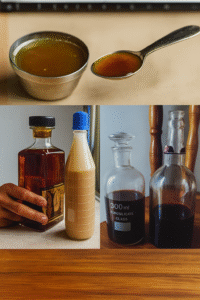
1. Resinous Oil:
In this method, the Agar oud tree is cut and processed in a specific manner. The dark resinous wood (agar oud) is collected and cut into small pieces, which are then soaked in a water tank for 25-30 days. After that, the dark wood and water are boiled in a broiler at a ratio of 1:4 at a temperature of 100-110 degrees Celsius for 8-9 days. Once the boiling process is complete, the oil is extracted from the boiler, filtered, and then sun-dried for 15-20 days before it becomes ready for use.
2. Powder Oil:
During the collection of Agar oud, the surrounding areas of the Agar oud are cleaned with a knife. Small fragments of dark oud/wood called powder are collected during the cleaning process. This powder is soaked in a water tank for 35-40 days. After that, the powder and water are boiled in a broiler at a ratio of 1:4 at 100-110 degrees Celsius for 10-12 days. Once the boiling process is done, the oil is extracted from the boiler, filtered, and sun-dried for 15-20 days before it becomes ready for use.
3. White Wood Oil:
After cutting the tree, the white part of the wood is chopped into small pieces and soaked in a water tank for 20-22 days. Then, the wood and water are boiled in a broiler at a ratio of 4:1 at 100-110 degrees Celsius for 5-6 days. Once the boiling process is complete, the oil is extracted from the boiler, filtered, and sun-dried for 15-20 days before it is ready for use.
In this way, Agar oud oil is processed through each method and later used in perfumes and other products.
B. Quality and composition of oud Oil
The quality of Agar oud oil depends on the ratio of chemical components, purity, and the longevity of its fragrance. However, the specific percentage of natural agar oud oil components may vary depending on the region, tree species, and extraction method. Typically, high-quality Agar oud oil is expected to contain the following components:
Key Chemical Components of Agar oud Oil:
1. Sesquiterpenes
Agarofuran: 20–35%
Hinokitiol: 10–15%
2. Phenolic Compounds
Approximately 5–10%
3. Terpenes
Guaiacol: 15–25%
Isofuranodiene: 10–20%
4. Aromatic Resin Compounds
Benzyl Acetate: 5–15%
Benzyl Benzoate: 10–20%
5. Volatile Oil
15–30%
6. Anti-microbial and Anti-inflammatory Compounds
Approximately 5–10% (measured through initial analysis).
Additional Factors for Quality Determination:
Density
The oil’s density should typically range from 0.915 to 0.935 g/mL.
Fragrance Longevity
High-quality Agar oud oil retains its aroma for 24–48 hours or more after application.
Color
The color of agar oud oil generally depends on several factors such as its origin, production method, and storage conditions. However, in general, Agar oud oil may appear in the following colors:
1. Deep Golden or Amber – Pure and high-quality Agar oud oil is usually of this color.
2. Dark Brown – Oils from certain specific regions, especially those that have matured over a long period, may turn dark brown.
3. Light Yellow to Golden Yellow – Less mature oils in liquid form tend to have this color.
4. Blackish or Dark Black-Brown – Extremely dense and aged Agar oud oil can sometimes appear blackish.
The color of the oil is primarily determined by its purity, storage process, and the distillation technique used.
Methods to Ensure Quality:
International standards (e.g., ISO 9235) and local laboratories analyze chemical compositions and confirm the presence and percentage of the required components to determine quality.
Brief Overview of Agar Oud Oil Components
1. Sesquiterpenes:
Crucial for fragrance and soothing qualities. Examples: Agarofuran, Hinokitiol.
2. Phenolic Compounds:
Provide a distinctive aroma and antimicrobial properties.
3. Terpenes:
Guaiacol: Contributes to sweet, musky aromas.
Isofuranodiene: Adds natural therapeutic properties.
4. Aromatic Resin Compounds:
Benzyl Acetate: Sweet and intoxicating fragrance.
Benzyl Benzoate: Widely used in perfumery.
5. Organic Compounds:
Natural organic elements in Agar oud oil reduce skin inflammation, enhance mental relaxation, and support immunity.
6. Volatile Oil:
Responsible for dispersing the oil’s fragrance.
7. Polycyclic Compounds:
Essential for the long-lasting fragrance of Agar oud oil.
8. Anti-microbial and Anti-inflammatory Compounds:
Natural components are effective in therapeutic applications.
These attributes make Agar oud oil highly valuable in perfumery, incense production, and medicinal uses.
C. Technique and Tools
The quality of Agar oud oil is determined using advanced scientific instruments and methods, such as:
1. Gas Chromatography (GC): Used to analyze chemical components like agarol, agar spirol, and terpene compounds.
2. Mass Spectrometry (MS): Identifies and measures specific components in combination with GC.
3. Infrared Spectroscopy (IR): Detects chemical bonds and functional groups.
4. High-Performance Liquid Chromatography (HPLC): Measures precise components.
5. Density Meter and Viscometer: Measures density and viscosity of the oil.
6. UV-Vis Spectrophotometry: Examines light absorption properties for quality assessment.
7. Electronic Nose: Identifies natural fragrance for quality verification.
Sensory evaluation by experts also plays a crucial role in quality determination.
D. Countries specializing:
1. India
Assam and Kerala are major production areas.
Research centers like CSIR labs test the Agar oud oil quality.
Example: Assam Science Technology and Environment Council (ASTEC), Assam.
2. Singapore
A significant commercial hub with modern laboratories.
Example: Intertek Singapore.
3. Malaysia
Leads in production and testing.
Example: Forest Research Institute Malaysia.
4. United Arab Emirates (UAE)
Major trade center with advanced laboratories.
Example: Dubai Central Laboratory (DCL).
5. Japan
Renowned for fragrance and chemical analysis.
Example: Japan Aromatic Research Center, Tokyo.
6. South Korea
Specializes in cosmetics and medicinal-grade oil testing.
7. China
Major market with advanced testing facilities.
Example: Shanghai Research Institute of Fragrance & Flavors.
8. United States
FDA and private labs ensure oil purity and quality.
Example: Eurofins Scientific, California.
9. France
The Grasse region specializes in perfumery-grade testing.
Exemple: Laboratoire Monique Remy, Grasse.
10. Indonesia
One of the largest producers with quality testing labs.
Example: PT. Perhutani, Jakarta.
11. Bangladesh
A significant producer and exporter.
Example:
Bangladesh Forest Research Institute.
Other Countries Thailand, Vietnam, Brunei, Germany, and Switzerland, also have laboratories for testing and research.
Specialized laboratories in these countries use advanced tools and international standards (ISO, ASTM) to ensure the quality, purity, and consistency of Agar oud oil.
Leave a Reply